
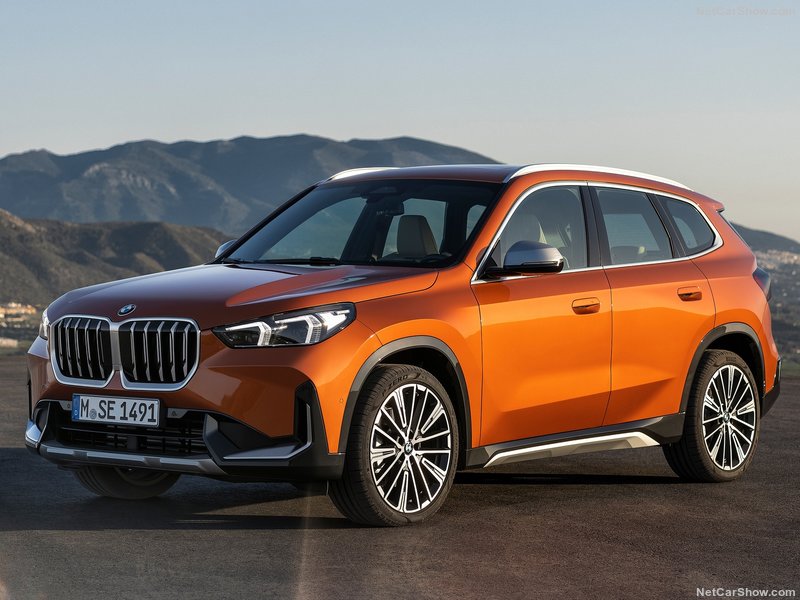
Belgium Auto Sales still increasing throughout 2024. Despite this steady increase, new sales in February amounted to 44,751 units (-13.5%). Audi increases by 26.7% making it into the Top 3.
Market Trend and Outlook
The Belgian auto market in February 2024 decreased by 13.5%, putting an end to a 19-months consecutive positive string, while reporting 44,751 new registrations. YTD sales reach 135,141 units (+2.8%).
Looking at cumulative data up to February brand-wise, BMW maintains 1st position with 14,243 sales (+8.2%), followed by Volkswagen with 11,105 units sold (+0.6%).
In third place ranks Audi -up 2 spots- with 10,947 sales (+26.7%) ahead of Mercedes with 9,899 registrations (+1.9%), Volvo -up 3 spots- at 8,519 (+38.2%), Toyota with 7,882 (+11.3%) and Dacia -up 2 spots- with 7,345 registrations (+33.8%).
Tesla gained 5 spots into 8th with 7,219 (+61.6%) followed by Renault -down 2 spots- with 6,139 (-10.6%) and in 10th place by Peugeot -down 7 spots- with 6,046 (-40.0%).
Looking at specific models the Tesla Model Y becomes the new best seller, with a 51.9% increase in year-on-year sales. In second follows the Volvo XC40, up 2 spots and 59.0%.
Medium-Term Market Trend
The car passenger’s market in Belgium is a mature market, with high share taken by premium brands, and in the decade before covid era has been stable, oscillating around half million annual sales.
The arrival of the pandemic caused the market to collapse 21.5% in 2020. This fall in sales, would mark the Belgian market for the following years.
In fact auto sales continued to fall in 2021, dropping another 11.2%. Despite slowing down, the fall continued in 2022 with sales reaching 366,087 (-4.4%).
The continuous increase in vehicle prices is a main driver in the slowing down of sales, making it harder for lower income families to buy cars. Another factor that puts downward pressure on demand is the Eu’s push towards EVs, an expensive alternative to traditional combustion engine cars. Despite these factors, in 2023 the market boomed 30.1% respectively to the previous year, YTD figures at 476,462.
Tables with sales figures
In the tables below we report sales for all Brands and top 10 Manufacturers Group.