Dutch Auto Market in 2025 avoids downfall at the last minute. Full-year sales grew by 1.7%, turning positive in December after slumping most of the year. Volvo and Tesla dropped in double-digits while Skoda surged 28.8% into 3rd.
Economic Environment
Automotive Industry Trend and Outlook
Despite strong performance in the prior year, the Dutch car market struggled through most of 2025. Still, the downturn softened through the months. Overall, full-year sales gained 1.7% to 387,643 units.
Brand-wise, Kia ranked 1st with a share of 9.8% (+8.2%), followed by Volkswagen -up 3 spots- in 2nd with a 8.3% share (+18.3%), Skoda -up 3 spots- in 3rd with a share of 7.2% (+28.8%) and Toyota -down 1 spot- in 4th (-9.8%).
Renault climbed 4 spots and ranked 5th (+32.7%), followed by BMW -up 1 spot- in 6th (+4.8%) and Volvo -down 5 spots- in 7th (-33.9%).
Hyundai ranked 8th (-10.3%), in front of Audi -up 2 spots- in 9th (+22.2%) and Tesla -down 6 spots- in 10th (-44.5%).
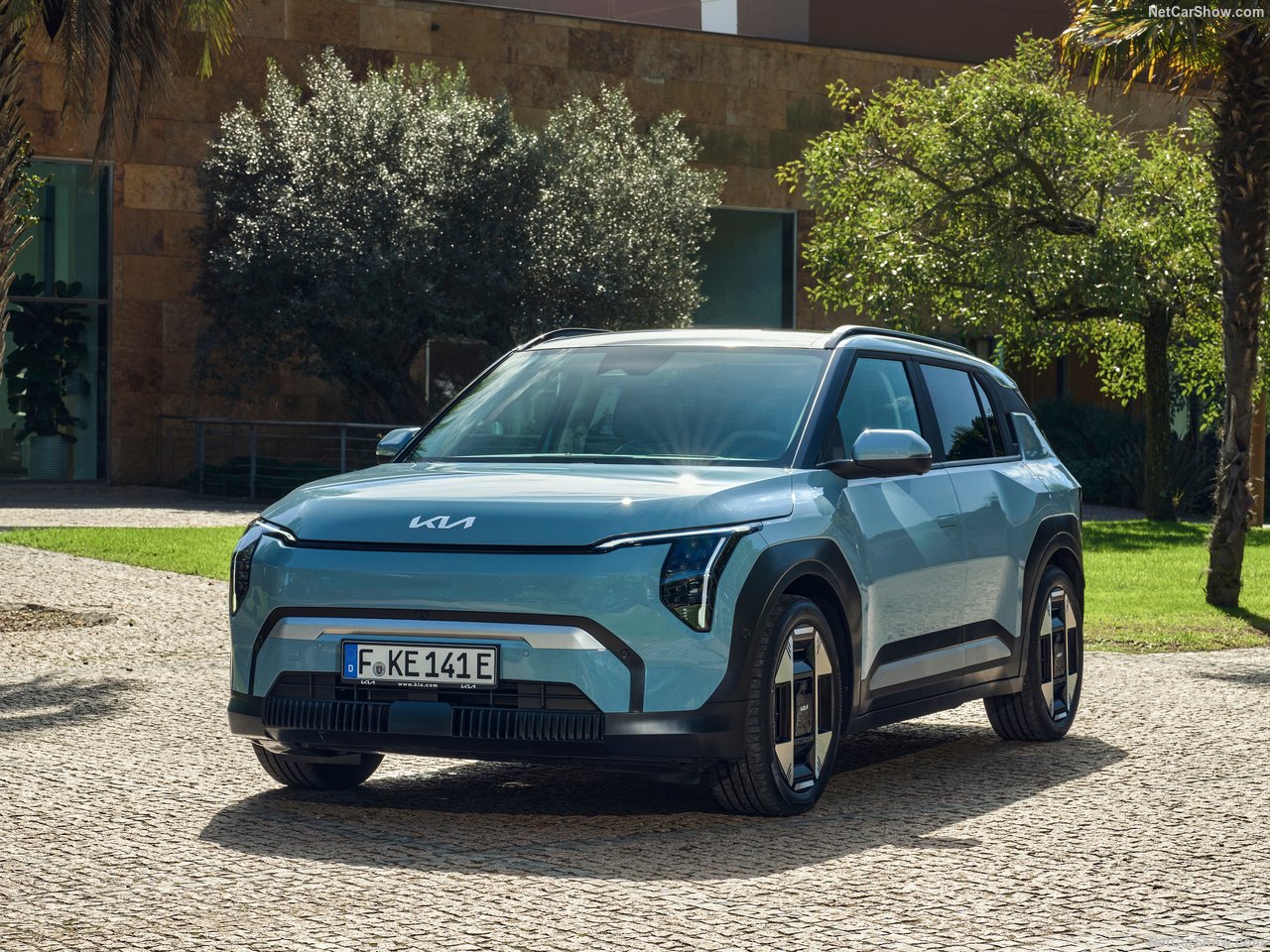
Looking at specific models, reported in the dedicated article, the Toyota Yaris secured leadership again despite losing 0.2%, while the Skoda Elroq and the Kia EV3 skyrocketed into 2nd and 3rd respectively.
EV Market Trend and Outlook
The Dutch EV Sector gained 30.4% in 2025, reaching a 31% market share. Despite macroeconomic pressures, EV adoption continued rising thanks to an efficient charging network, smart regulatory policies and emerging popular models like the Kia EV3.
Tesla remains leader but stumbles, losing 44.5%. Skoda rose 297.6% in 2nd, up 5 spots and threatening Tesla’s lead, while Kia -up 3 spots- closed the podium.
Medium-Term Market Trend
At the start of the 2014–2024 decade, the Dutch car market gained momentum, peaking in 2015 at 447,649 units. It then stabilized around 400,000, with 14.86% growth from 2014 to 2019, driven by a strong economy, favorable tax incentives, and high consumer confidence.
The pandemic disrupted global markets, and the Dutch market was no exception, dropping 20.2% in 2020 and hitting a decade low in 2022 at 311,000 registrations, 30.4% below the 2015 peak. The decline continued until 2023, when the market rebounded with 18.6% growth, supported by easing supply chain issues, pent-up demand, and corporate fleet renewals. This momentum continued in 2024 with 381,166 units sold, up 3.2%.
Though Europe, especially Germany, is a major EV manufacturing hub, production costs remain high for many consumers, with new BEVs averaging €55,821. Raw material shortages and expensive microchips are pushing up prices and wait times, steering lower-income buyers toward the secondhand market.
The EV sector started strong early in the decade, fluctuated, then surged 141% in 2019 due to CO₂ rules, subsidies, and a rush to beat tax changes. Another growth wave followed in 2023, with EV sales up 27.2% thanks to broader model availability, better charging infrastructure, and strong corporate demand tied to sustainability goals.
Tables with sales figures
In the tables below we report sales for all Brands, top 10 Manufacturers Group and top 10 Models