Austrian Car Market in 2026 is on the rise. January sales grew by 12.1%, with leader Volkswagen surging 49.7% and Peugeot impressing by climbing 6 spots into 7th. Notably, EVs gained 32.6%, with Skoda overtaking BYD as new leader.
Economic Environment
Austria’s economy is expected to grow by around 1.0–1.2% in 2026, following a modest 0.5% expansion in 2025, signaling a gradual recovery from the recent recession. Growth is projected to remain moderate in 2027 (around 1.1–1.4%), reflecting a weak but ongoing upswing slightly above the Eurozone average. Inflation is set to decline from about 3.5% in 2025 to roughly 2.5–2.6% in 2026, although it will remain relatively elevated compared to the broader Eurozone. The labor market is expected to stabilize, with unemployment easing slightly from 7.4% in 2025 to around 7.3% in 2026, before improving further in 2027.
Economic growth is being supported by rising public spending and investment, but private consumption remains subdued due to weak real income growth and cautious household behavior. External factors continue to weigh on the economy, including weak export performance, global trade uncertainties, and reduced competitiveness, particularly linked to challenges in key trading partners like Germany. Structural constraints such as high public debt, elevated budget deficits, and rising government expenditure also pose risks to the recovery. Overall, Austria faces a fragile and gradual recovery path, with improving inflation and labor conditions offset by weak domestic demand, fiscal pressures, and ongoing external headwinds.
Automotive Industry Trend and Outlook
The Austrian car market starts the year off strong, growing 12.1% in January 2026 to 22,294 units.
Brand-wise, Volkswagen secured 1st position with a 19.3% share (+49.7%), followed by Skoda in 2nd with 11.6% (+6.5%) and Audi in 3rd with 7.4% (-3.4%).
BMW ranked 4th (-11.8%), followed by Seat in 5th (+10%), Mercedes in 6th (-5.8%), and Peugeot -up 6 spots- in 7th (+65.3%). Cupra -down 1 spot- ranked in 8th (-12.3%), followed by Dacia -down 1 spot- in 9th (-9.6%) and Toyota -down 1 spot- closing the leaderboard (-7.3%).
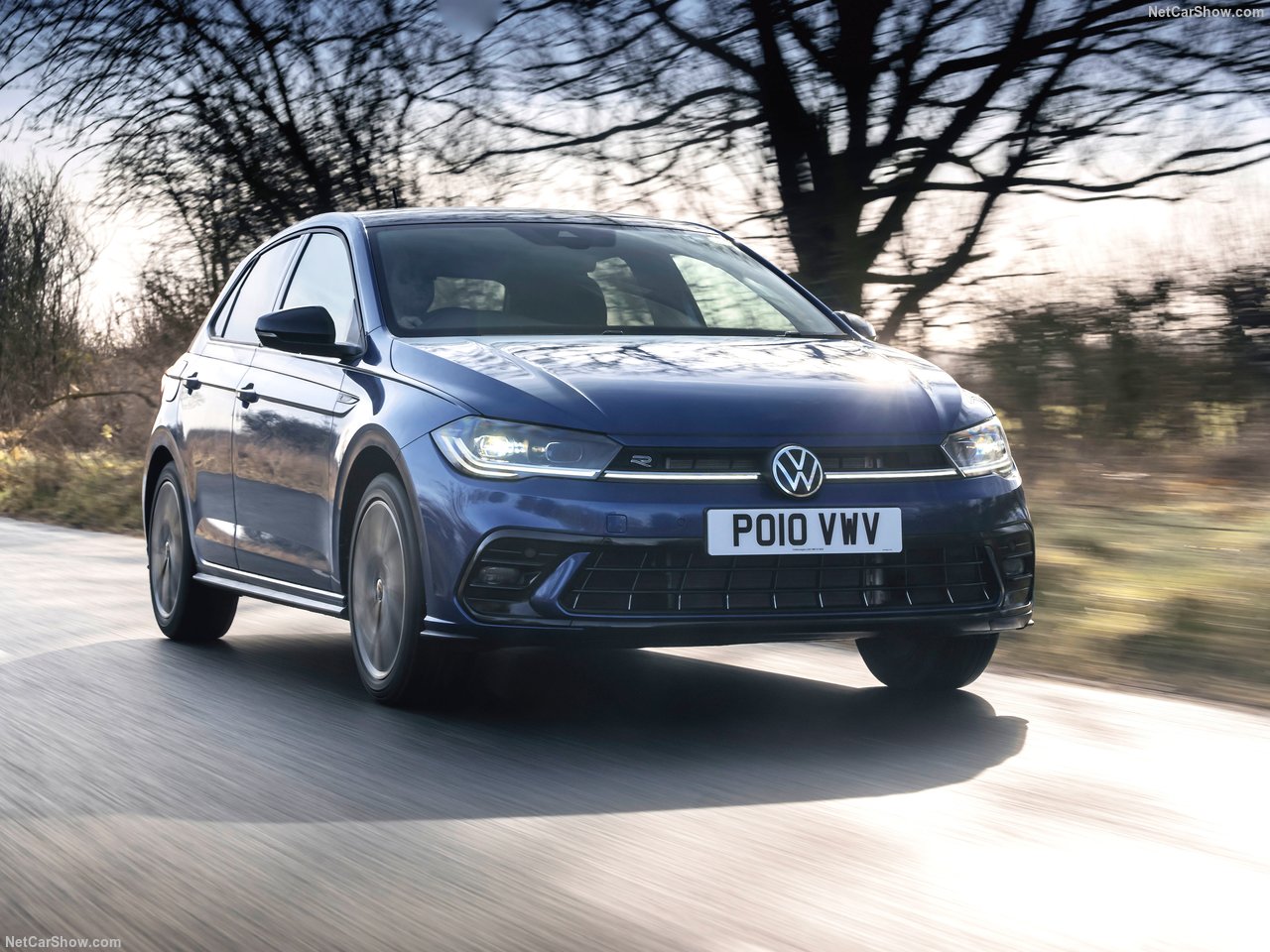
Looking at specific models the Volkswagen Golf-up 2 spots- became the best seller gaining 163.4% in year-on-year volume. The Volkswagen Polo followed in 2nd, growing 188.9% and 21 spots.
EV Market Trend and Outlook
The Austrian EV Sector report strong momentum in 2026, growing 32.9% to a 16.3% share. In particular, this reflects a structural shift showing how consumer preferences are adapting more and more BEVs and hybrids.
Skoda secured EV leadership, growing 101.5% and with a 18.2% share. BYD dropped 1 spot in 2nd despite still growing 34.6%. Tesla closed the podium, up 3 spots and 147.1%.
Medium-Term Market Trend
Austria’s car market has experienced significant fluctuations over the past decade. Sales increased from 303,232 units in 2014 to a peak of 353,596 in 2017, before declining in 2018 and 2019 amid stricter EU emissions regulations and shifting consumer preferences. The COVID-19 pandemic caused a sharp contraction in 2020, with volumes dropping 24.5% to 248,942 units, followed by continued weakness through 2022, when the market hit a low of 215,049 units due to supply chain disruptions and semiconductor shortages.
A recovery began in 2023, supported by improving supply conditions and renewed demand, and continued into 2024 with 253,795 units sold (+6.1%). Growth accelerated further in 2025, reaching 284,945 units (+12.3%), although volumes remain below pre-pandemic highs. Meanwhile, the electric vehicle segment has steadily expanded, driven by incentives, broader model availability, and improved charging infrastructure. EV registrations totaled 36,692 units in 2024 (+1.3%) and rose sharply to 49,438 units in 2025 (+34.7%), highlighting strengthening momentum in the transition toward electrification.
Tables with sales figures
In the tables below we report sales for all Brands, top 10 Manufacturers Group and top 10 models.
This content is for members only.
Login Join Now