
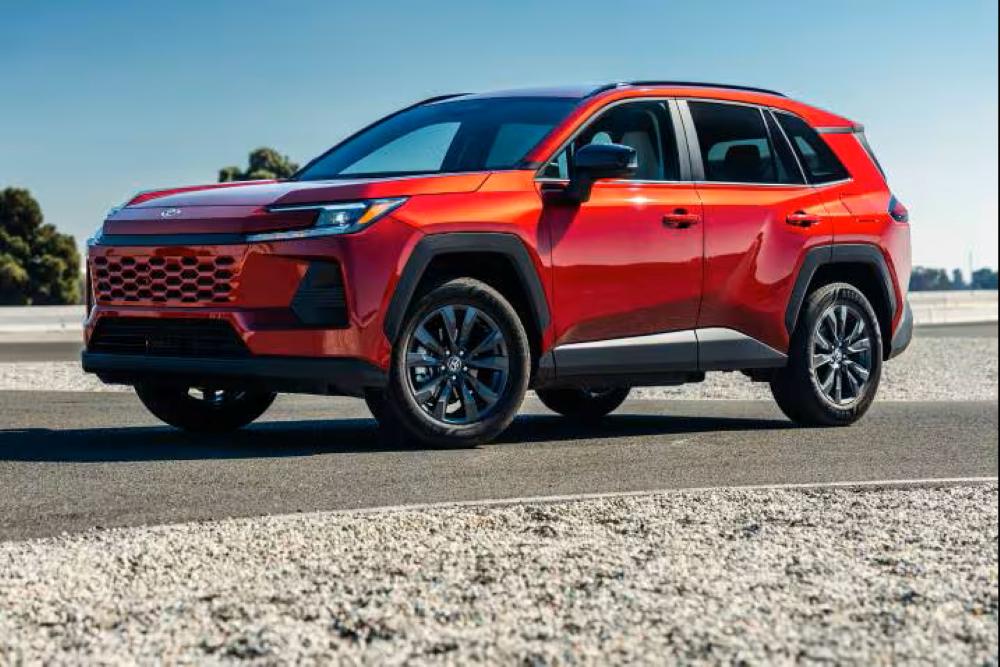
Global pickup markets keep expanding, and in many countries trucks are no longer used only as workhorses. They are daily drivers, family vehicles, and lifestyle statements. This shift is changing how owners invest in their vehicles, and aftermarket accessories play a central role in that process.
Among the most impactful upgrades are truck running boards. They may seem like a small detail compared to engines or suspension, but in practice they strongly influence day‑to‑day usability, perceived quality, and even long‑term resale value.
In this article we look at how truck running boards affect driver experience, safety, and residuals, and why demand for high‑quality solutions from manufacturers like Romik is growing in mature and emerging markets alike.
Changing role of pickup trucks in global markets
Historically, pickups were positioned primarily as utility vehicles for agriculture, construction, and small business. Over the last decade their role has evolved in multiple regions:
- In North America, pickups have become dual‑purpose: part work tool, part lifestyle vehicle for outdoor and family use.
- In several Asia‑Pacific and Latin‑American markets, growth in small business and e‑commerce has expanded light commercial fleets.
- In Europe, while overall pickup volumes remain smaller, there is steady demand in rural and professional segments.
Across these regions, buyers are more sensitive to comfort, safety, and perceived quality than a decade ago. As a result, accessories that used to be considered “nice to have” are now evaluated as part of the total package when comparing models and trims.
Truck running boards sit at the intersection of these expectations: they are visible, functional, and directly influence how people experience the vehicle every time they enter or exit.
Usability and comfort: everyday impact of truck running boards
The first, and most obvious, effect of truck running boards is improved accessibility. Modern trucks often ride higher off the ground due to off‑road packages, larger wheels, and design trends. This creates a gap between the ground and cabin floor that can be challenging for:
- Older drivers and passengers
- Children and shorter occupants
- People carrying tools, bags, or heavy equipment
- Anyone entering or exiting in slippery or uneven conditions
Well‑designed running boards provide a stable intermediate step, making access feel closer to a crossover than a heavy‑duty work vehicle. This has several practical consequences:
- Less fatigue over time. Drivers in delivery, construction, or service roles may step in and out of the truck dozens of times per day. A stable step reduces physical strain.
- Better experience for passengers. Family members or clients judge a vehicle not only by how it drives, but by how easy and comfortable it is to use.
- Easier loading and roof access. Side steps often help when loading items through side doors or when accessing roof racks and equipment.
From a user‑experience perspective, running boards turn a high‑riding truck into a more inclusive and user‑friendly vehicle without compromising its capabilities.
Safety benefits for fleets and individual owners
Accessibility is closely tied to safety. For companies running fleets, slip‑and‑fall incidents around vehicles are a real operational concern. Each unsafe entry or exit represents potential downtime, compensation costs, and reputational risk.
High‑quality truck running boards can mitigate several of these issues:
- Improved grip. Textured, non‑slip surfaces reduce the likelihood of shoes sliding on wet, muddy, or icy days.
- Predictable step geometry. Consistent step depth and width help drivers develop safe movement habits.
- Support for heavier loads. Robust construction with appropriate load ratings ensures the step does not bend or fail when used by workers carrying tools or materials.
In many organizations, these attributes are evaluated as part of internal safety standards rather than viewed as purely cosmetic options. For individual owners, the logic is similar: a stable step is a simple way to protect family members and guests from avoidable accidents.
Manufacturers such as Romik focus on these functional details, combining design with engineering to offer solutions that meet both aesthetic and safety expectations.
Design, aerodynamics, and perceived quality
Beyond pure function, running boards have become an important design element. When integrated well, they visually “complete” the side profile of a truck and support the positioning of the model:
- Premium appearance. Clean lines, high‑quality finishes, and tight fitment create an OEM‑like look that signals care and investment.
- Visual balance. On higher trucks, running boards help visually lower the body, making the vehicle look more planted and cohesive.
- In some configurations, they also add light protection against debris and parking‑lot scratches along the lower body.
For brands specializing in accessories, this is a significant differentiator. Companies like Romik aim to provide aftermarket truck running boards that match or exceed factory design language, rather than appearing as generic add‑ons.
This has a direct effect on perceived quality at resale. Used‑vehicle buyers, whether retail customers or dealers, often make fast visual judgments. A truck equipped with carefully chosen accessories that look integrated and well maintained is more likely to be interpreted as a vehicle that has been looked after overall.
Impact on resale value and total cost of ownership
The question many owners and fleet managers ask is whether accessories like running boards actually pay off financially.
There are several ways in which truck running boards can contribute to better residuals and lower total cost of ownership:
- Broader buyer appeal at resale. A truck that is easier to enter and exit appeals to a wider range of second‑hand buyers, including families and small businesses that prioritize comfort and safety.
- Lower visible wear and tear. Without a step, drivers may slide across the seat bolsters or kick interior panels more often, accelerating wear. Better access helps preserve interior condition.
- Reduced damage to exterior sills. Running boards can absorb minor impacts from shoes, bags, and small obstacles, protecting painted surfaces that are costly to repair.
- Support for higher trim positioning. In some markets, trucks equipped with premium accessories are easier to position and price as higher‑spec vehicles in classified listings or dealer stock.
While the exact uplift in resale value depends on market, mileage, and overall condition, dealers frequently report that well‑equipped trucks are easier to sell quickly at target prices compared with sparsely equipped equivalents.
Why quality and brand choice matter
Not all running boards are created equal. From a market‑analysis perspective, the segment is increasingly polarized between low‑cost universal products and specialized solutions from dedicated manufacturers.
When evaluating premium truck running boards, several factors are critical:
- Material and corrosion resistance. Stainless steel, high‑grade aluminum, and advanced coatings help resist rust in markets with road salt or coastal climates.
- Load capacity and structural design. Adequate weight ratings and reinforced brackets are key for commercial and fleet use.
- Vehicle‑specific fitment. Tailored brackets and profiles ensure clean installation points and consistent gaps, which in turn support both aesthetics and durability.
- Certification and testing. Reputable brands carry out fitment, vibration, and environmental tests that low‑cost suppliers often skip.
Manufacturers like Romik position themselves in this upper tier, focusing on engineered solutions for popular truck models rather than one‑size‑fits‑all products. For buyers, this can translate into a better ownership experience and stronger residuals over the vehicle’s lifecycle.
Outlook: running boards as part of a broader accessory package
As competition intensifies in global pickup markets, both OEMs and aftermarket suppliers are expanding accessory portfolios to differentiate their offerings. Side steps and truck running boards are increasingly bundled with other comfort and protection features, such as bed liners, tonneau covers, and lighting packages.
For individual owners and fleet managers, this creates an opportunity to design vehicles that align with real‑world use: safer, more accessible, and more attractive to the next buyer.
In that context, high‑quality running boards from specialized brands like Romik are no longer just an aesthetic upgrade. They are a practical investment in usability, safety, and long‑term value that supports the evolving role of pickup trucks in markets worldwide.