Bulgaria Vehicles Market in 2025 is experiencing strong momentum. Full-year sales grew by 4.5%, with Renault rising in double-digits into the Top 5 while Kia drops out and slips into 7th. Hyundai leads EVs to 5% of the total.
Economic Environment
In 2025, Bulgaria’s economy is forecast to grow by 3.0%, supported by consumption and investment, although growth is expected to slow in the second half of the year due to weaker public sector support and lower-than-planned revenues. Economic expansion is projected to moderate further to 2.7% in 2026 and 2.1% in 2027, as private consumption eases in line with slower wage and transfer growth, while private investment and rising absorption of EU funds continue to support activity.
Inflation is expected to remain elevated at 3.5% in 2025, driven by higher food and services prices and tax increases, before easing to 2.9% in 2026 and rebounding to 3.7% in 2027 due mainly to higher energy costs. The labour market remains tight, with unemployment projected to stay below 4%, although wage growth is expected to moderate as competitiveness concerns and fiscal constraints intensify. The fiscal deficit is forecast at 3.0% of GDP in 2025, narrowing to 2.7% in 2026 before widening sharply to 4.3% in 2027 due to defence spending, while public debt is projected to rise steadily to 32.6% of GDP by 2027.
Automotive Industry Trend and Outlook
After surpassing pre-covid level in 2023, the Bulgarian vehicle market continued to grow in 2024. In 2025, considering full-year data, 50,663 units were sold, with a 4.5% year-on-year change in volume.
Brand-wise, Skoda remained the leader with a 12.1% share (-18.5%), followed by Toyota with 12% (-11.4%) and Dacia with 11.1% (+19.5%).
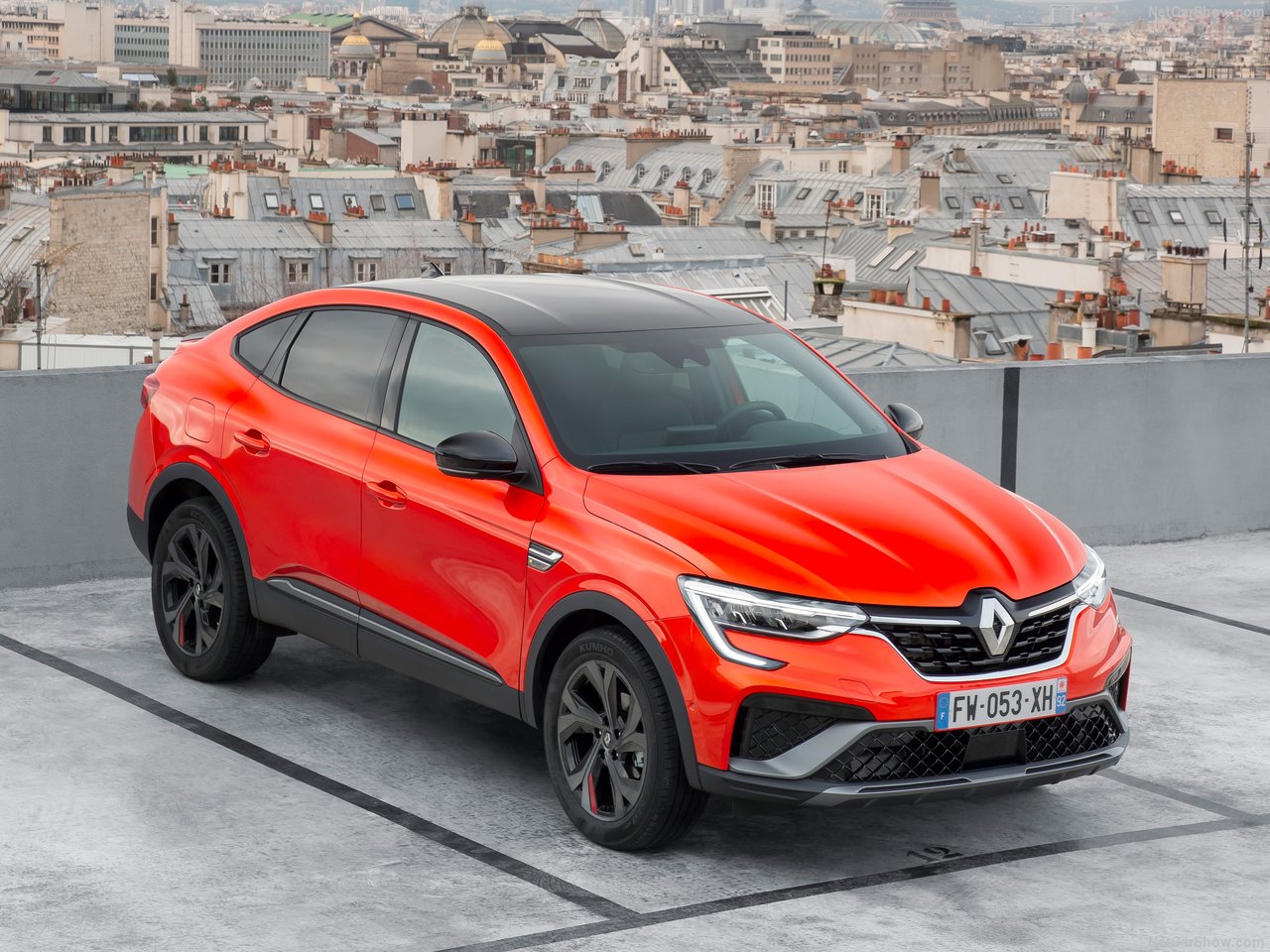
Renault gained 2 spots into 4th (+56.3%), in front of Volkswagen which closed the top 5 (+19.5%).
Looking at models, the Toyota Corolla became the best seller climbing 1 spot (+14%), followed by the Skoda Octavia which lost 1 spot and 2.6%.
Medium-Term Market Trend
The Bulgarian car market suffered a sharp contraction in 2009 but entered a sustained recovery phase from 2014 onward, supported by a favourable economic environment and the expansion of the automotive components manufacturing sector. By 2018, registrations had increased by 35.9% compared with 2014, reaching 41,390 units.
The upward trend was interrupted in 2020, when the COVID-19 pandemic caused sales to decline by 11.8%. A recovery followed in 2021 and 2022, with strong growth restoring market momentum. By 2024, car sales had almost doubled compared with 2014 levels, rising by 36.6% year on year to a total of 55,165 units.
Tables with sales figures
In the tables below we report sales for top 10 models.