
Quick Answer
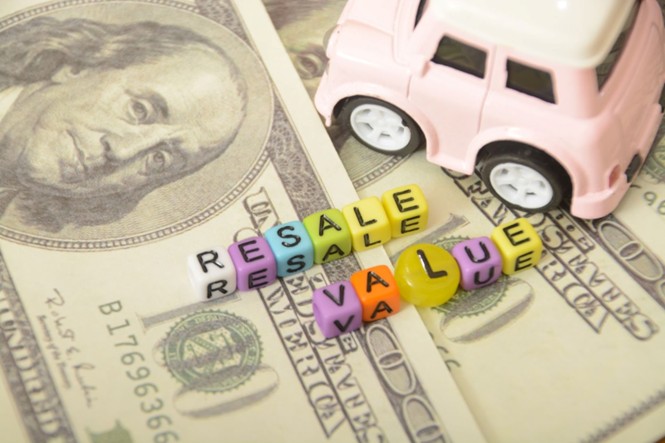
Keeping your car in excellent cosmetic and mechanical condition is the most effective way to command a higher price when it’s time to sell. Regular maintenance, thorough cleaning, timely repairs, and protecting the exterior finish all contribute significantly to buyer confidence. A well-documented service history, low mileage, and a clean interior also signal that the vehicle has been cared for – making it more attractive in a competitive used car market.
Introduction
Imagine pulling up to a dealership or meeting a private buyer, keys in hand, and walking away with a sale price that actually surprises you – in a good way. That outcome isn’t just luck; it’s the result of thoughtful preparation and consistent care over the years you’ve owned your vehicle. In Canada’s evolving used car market, where buyers are increasingly savvy and detail-oriented, even small oversights can cost you hundreds – or thousands – on your final offer.
One often-overlooked step is protecting your car’s paint early in its life. Many owners wait until damage appears before acting, but proactive solutions like high-quality paint protection film can preserve the factory finish for years. For example, Calgary PPF offers self-healing, durable films that guard against chips, UV fading, and road debris – helping maintain that “just-washed” look long after other vehicles start showing wear.
The good news? You don’t need to be a mechanic or detailer to boost your car’s appeal. Simple habits – like keeping service records, addressing minor dents, and deep-cleaning the cabin – can have an outsized impact. Whether you’re planning to sell next month or in five years, the actions you take now directly influence how much your car will be worth later. Let’s explore the most effective strategies to maximize that value.
How to Increase Your Car’s Resale Value: Proven Strategies That Work
When it comes to maximizing what your vehicle fetches on the market, small details often carry more weight than big-ticket upgrades. Buyers – whether private or dealerships – look for signs of reliability, care, and longevity. Below are the most effective, non-negotiable tactics to increase car resale value, backed by industry trends and real-world buyer behaviour in Canada.
Keep Maintenance Records Organized and Accessible
A complete service history is one of the strongest trust signals you can offer. It shows you didn’t just drive the car – you looked after it.
- Stick to manufacturer-recommended service intervals
- Save digital or physical copies of oil changes, tire rotations, brake work, and fluid flushes
- Include receipts for major repairs or part replacements (e.g., timing belt, suspension components)
Buyers are more likely to pay a premium for a car with transparent upkeep – especially when it includes consistent winter maintenance like corrosion protection or coolant checks.
Protect the Exterior Finish Early and Consistently
Paint condition heavily influences first impressions. Chips, swirl marks, and faded clear coat can signal neglect – even if the engine runs perfectly.
While many wait until damage appears, forward-thinking owners apply protective measures early. A high-quality paint protection film (PPF), for instance, acts as an invisible shield on high-impact areas like the hood, fenders, and mirrors. The best options today even feature self-healing properties that erase light scratches with heat or sunlight – keeping the surface smooth for years.
Unlike waxes or sealants that wear off in months, modern PPF can last a decade with proper care, preserving that factory-gloss finish long after similar vehicles show visible wear.
Maintain a Spotless Interior
Odours and stains are deal-breakers. A clean cabin suggests the car was treated as more than just a commuter tool. Focus on:
- Deep vacuuming (including under seats and floor mats)
- Steam-cleaning upholstery or using leather conditioner
- Eliminating lingering smells (avoid masking with air fresheners – opt for ozone treatment or baking soda deep cleans)
- Replacing heavily worn mats or cracked trim pieces
Even minor attention here can shift perception from “used” to “well-loved.”
Fix Minor Flaws Before Listing
Don’t assume buyers will overlook small issues – they’ll use them to justify lowball offers. A $50 fix could cost you $500 in negotiation leverage.
Common high-impact, low-cost repairs:
- Replacing burned-out bulbs
- Fixing chipped or cracked headlights
- Removing door dings or minor dents
- Addressing check-engine lights (even if intermittent)
Keep Modifications Minimal and Reversible
Aftermarket wheels, loud exhausts, or performance tuners might excite enthusiasts – but they narrow your buyer pool. Most Canadian buyers prefer stock, reliable vehicles they can drive home without surprises. If you’ve customized your car, consider reverting to OEM specs before selling.
Understand How Timing Affects Value
Seasonality matters in Canada. Convertibles and sports cars often sell faster in spring, while AWD SUVs and trucks see peak demand in fall. Additionally, selling just before a new model year hits dealerships (typically late summer) can work in your favour – used versions of the outgoing model become more attractive by comparison.
Compare Your Car’s Condition to Market Listings
Before setting a price, research comparable vehicles in your region. Note differences in:
| Feature | Impact on Resale Value |
| Full service history | +8% to +12% |
| No accident history | +10% to +15% |
| Fresh set of tires | +3% to +5% |
| PPF or ceramic coating | +5% to +9% |
| Interior stains/odours | –7% to –12% |
| Unrepaired body damage | –10% or more |
What to Do After Preparing Your Car: Smart Next Steps for a Stronger Sale

You’ve cleaned the interior, protected the paint, fixed small flaws, and gathered your service records. Now what? The final leg of maximizing your return involves strategy, presentation, and timing. These steps ensure your effort translates into real dollars when you prepare car for sale – whether to a dealer or a private buyer.
Get a Realistic Valuation Using Multiple Sources
Don’t rely on a single appraisal tool. Canadian pricing can vary significantly by region, season, and demand. Cross-reference at least three sources:
- Canadian Black Book (CBB) – widely used by dealers
- Kelley Blue Book (KBB) – offers private-party and trade-in estimates
- AutoTrader or Facebook Marketplace listings – see what similar vehicles are actually listed for
This triangulation gives you a realistic price range. If your car has PPF, a clean history, or rare OEM features, you may price toward the top – but always leave room for negotiation.
Leverage Professional Car Appraisal Tips
If you’re selling privately, consider a pre-listing inspection from a certified mechanic. While optional, it builds buyer confidence and reduces last-minute haggling. Here are a few car appraisal tips that seasoned sellers use:
- Present the car in daylight – natural light reveals flaws but also shows honesty
- Have all keys, remotes, and original accessories ready
- Be transparent about any past incidents, even minor fender benders
- Avoid overpricing “hoping to negotiate down” – it filters out serious buyers
A well-documented, fairly priced car often sells faster and closer to asking price.
Choose the Right Sales Channel
Your choice between private sale, dealership trade-in, or online consignment affects both speed and profit:
| Method | Pros | Cons |
| Private sale | Highest potential return | More time, effort, and risk |
| Dealership trade-in | Fast, convenient, no haggling | Lower payout (often 15–25% less) |
| Online platforms (e.g., Clutch, CarMax Canada) | Streamlined process, guaranteed offer | May require inspection, less flexibility |
Present Your Car Like a Pro
First impressions happen in seconds. When buyers arrive:
- Park in a clean, well-lit area (avoid dim garages or messy driveways)
- Start the car so the A/C or heat is ready
- Have a printed one-page summary: mileage, service highlights, reason for selling
- Let buyers inspect freely – hovering creates distrust
And never underestimate the power of good photos if listing online. Shoot on a cloudy day (soft light, no glare), include close-ups of tires, interior, and trunk, and show the full vehicle from multiple angles.
Know the Best Way to Sell Your Car in Today’s Market
With rising interest rates and tighter budgets, Canadian buyers are more cautious. They prioritize reliability, fuel efficiency, and low maintenance costs. Highlight these if they apply:
- Hybrid or efficient engine? Mention real-world fuel economy
- Remaining factory warranty? Include transfer details
- Winter-ready features (heated seats, block heater, AWD)? Emphasize them
Final Thoughts: Protect Today, Profit Tomorrow
Maximizing your vehicle’s resale value isn’t about last-minute fixes or cosmetic tricks – it’s a mindset. The highest-return strategies begin the day you drive your car off the lot, not the day you list it online. Consistent care, smart protective measures, and thoughtful documentation compound over time, turning routine maintenance into tangible equity.
So whether you’re eyeing a future upgrade or just want to future-proof your current ride, remember: how to increase car resale value starts with respect for the vehicle itself. Treat it well, and it will return the favour – often in ways that show up right in your bank account.