Slovenian Car Market in 2025 is picking up speed. YTD sales up to November grew by 7.6%, with Skoda rising 15% and threatening leader Volkswagen while Ford secured a spot in the Top 10.
Economic Environment
Slovenia’s economic outlook points to a gradual recovery, with GDP growth projected at 1.0% in 2025, strengthening to 2.4% in 2026 and 2.6% in 2027, supported by domestic demand and a recovery in exports. Private consumption remains the main growth driver, aided by rising wages, a tight labour market, and additional income measures, while investment is expected to recover as uncertainty eases and EU-funded public investment remains elevated. The labour market is set to stay tight, with unemployment at historically low levels around 3.4–3.5%, despite only modest employment growth driven largely by foreign workers.
Inflation, after easing in 2024, is projected to remain elevated but gradually moderate from 2.5% in 2025 to just above 2% by 2027, reflecting persistent food, services, and energy price pressures. Fiscal balances are expected to deteriorate, with the general government deficit rising from 0.9% of GDP in 2024 to 2.5% by 2027 due to higher current spending, public sector wage reforms, long-term care costs, and green transition subsidies. Despite widening deficits, public debt is projected to decline steadily from 66.6% of GDP in 2024 to about 63% by 2027, supported by favourable interest-growth dynamics.
Automotive Industry Trend and Outlook
The Slovenian car market started the year off strong in terms of year-on-year growth and accelerated throughout the months. Peaking in Q4, YTD sales up to November grew 7.6% to 52,638 units
Brand-wise, the leader remained Volkswagen with a 15.8% share (+12.3%), followed by Skoda -up 1 spot- with 11.3% (+15%) and Renault -down 1 spot- with 10.5% (+0.3%).
Hyundai -up 2 spots- ranked in 4th (+18%), followed by Toyota -down 1 spot- in 5th (-4.8%).
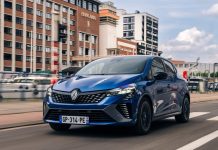
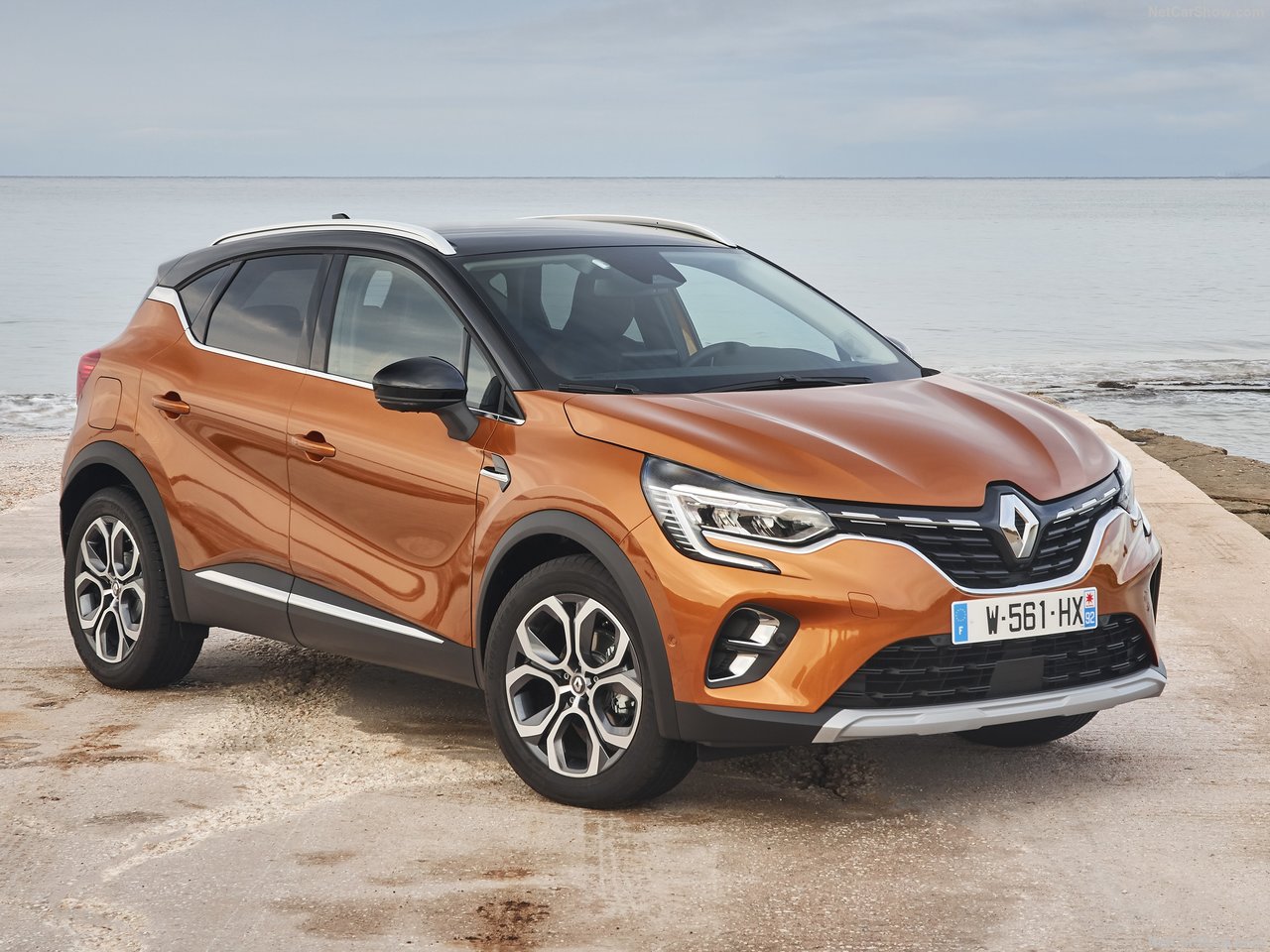
Looking at specific model the Renault Clio was still at the top, growing 12.1%. The Skoda Octavia followed in 2nd (+4.6%( while the Renault Captur (+7.7%) ranked 3rd
EV Market Trend and Outlook
Slovenia’s effort to support EV adoption are slowly paying off, with a 100.5% increase in sales to a 12% share. The surge was driven, among other things, to partnerships with local municipalities aimed at expanding charging networks
Tesla led EV rankings while growing 4.8%, followed by Dongfeng in 2nd which skyrocketed 20 spots and eyes top spot.
Medium-Term Market Trend
Tables with sales figures
In the tables below we report sales for all Brands, top 10 Manufacturers Group and top 10 Models.