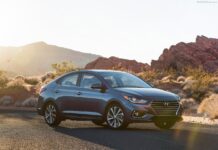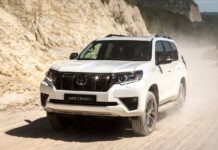
Bahrain Vehicle Market in 2025 stays on a positive string. Full-year figures rose by 4.5%, with Jetour rising 127.4% into 3rd while Hyundai fell 38.9% into 7th. Notably, Changan dropped 26.3% into 13th
Economic Environment
In 2025, Bahrain’s economy is forecast to grow by 3.5%, slightly outpacing the GCC average of 3.2% and the broader MENA region’s 2.7% growth projection, according to the World Bank. Growth is expected to moderate to 3% in 2026, reflecting a gradual increase in oil production amid softening global demand and lower oil prices. The recovery builds on a solid performance in late 2024, when Bahrain’s non-oil sector grew by 4.6%, offsetting a 3.5% decline in oil-related activities. For the full year 2024, the country achieved 2.6% GDP growth, with the government projecting a slight uptick to 2.7% in 2025, driven by ongoing diversification efforts.
Key among these is the Bapco Modernization Program, a major infrastructure initiative aimed at boosting refinery capacity and fiscal revenues. Non-oil growth is expected to remain strong, underpinned by this investment and broader private sector momentum. However, fiscal pressures loom, as S&P Global recently revised Bahrain’s credit outlook to “negative”, citing tighter global financial conditions and rising debt servicing costs. These factors could challenge Bahrain’s public finances despite its growth trajectory. Nonetheless, the country’s medium-term outlook remains positive, supported by its commitment to economic diversification and structural reforms.
Automotive Industry Trend and Outlook
Bahrain’s vehicle market mantained a trend of steady growth in 2025, fluctuating between 6% and 8%. Overall, it reported year-on-year gains of 4.5%.
Brand-wise, Toyota remained the top brand, up 6.5% with a 30.5% share, followed by Jetour -up 6 spots- (+127.4%). Nissan fell 1 spot into 3rd (+17.6%). Lexus ranked 4th (-21.1%) while MG (+3.1%) closed the top 5.
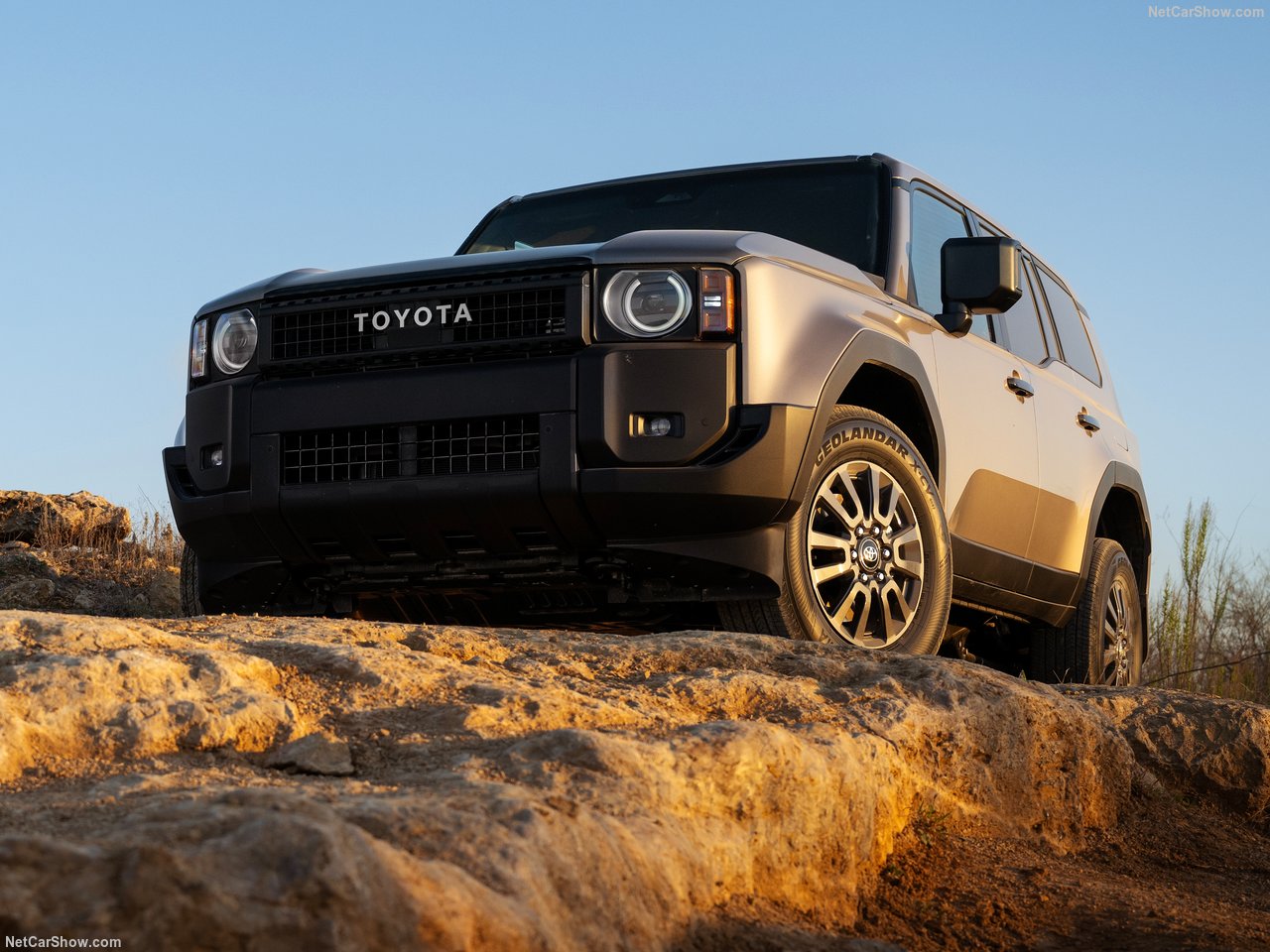
Among models, the Toyota Land Cruiser became the best-seller (+37.1%), followed by the Jetour T2 -up 21 spots- (+377.5%) and the Toyota Hilux which fell 1 spot and reported losses of 2.5%.
EV Market Trend and Outlook
Bahrain’s EV market is experiencing strong growth in 2025, up by 42%. Despite structural hurdles persisting, Bahrain’s Economic Vision 2030 is supporting sector’s growth through incentives and expanded charging and service network.
Lexus was the leader, up 215.7% and 5 spots, followed by Mercedes in 2nd and BYD in 3rd.
Medium-Term Market Trend
The economic crisis triggered by falling global oil prices hit Bahrain’s automotive industry in 2016, slightly later than other Gulf countries. The market had peaked in 2015 with an all-time high of 63,586 units, but declined sharply to 37,222 units by 2017 (-23.6%). After a flat 2018, the market fell again in 2019, down 19.3%, following the government’s introduction of VAT in January, which raised inflation and curbed consumer spending. The automotive sector, like many others, was directly affected.
Sales declined further in 2020 due to the COVID-19 pandemic, falling 16.3% to 25,727 units. A modest rebound followed in 2021 (+4%), reaching 26,793 units, but momentum stalled in 2022 (-2.6%). Recovery resumed in 2023 with an 18.2% increase and continued in 2024, up 19.8% to 36,966 units, though still below pre-pandemic levels.
EV adoption remains very limited, accounting for just 1.7% of sales in 2024. This is due to high upfront costs, limited charging infrastructure, and a lack of widespread consumer awareness, though the government is beginning to implement a phased national strategy to expand charging access and offer targeted incentives.
Tables with sales figures
In the tables below we report sales for Top 10 Models.