Brazilian Vehicles Market in 2025 stays on growth trend. Full year sales gained 2.8% with BYD posting double-digit gains while climbing 2 spots. The chinese brand also retained largest EV share as the country leades in EV adoption in LatAm region.
Market Trend and Outlook
Looking at cumulative brand-wise, Fiat was the best seller (+2.4%) with a 20.9% share, followed by Volkswagen (+9.3%) in 2nd with 17.2% and Chevrolet (-12.4%) in 3rd with 10.8%.
In 4th ranked Hyundai (-1.1%), followed by Toyota in 5th (-16.3%), Renault in 6th (-5.1%) and Jeep in 7th (+2.4%). BYD -up 2 spots- ranked in 8th, gaining 2 spots (+50.7%), Honda –down 1 spot– placed 9th (+13.1%) while Nissan -down 1 spot- closed the top 10 (-11%).
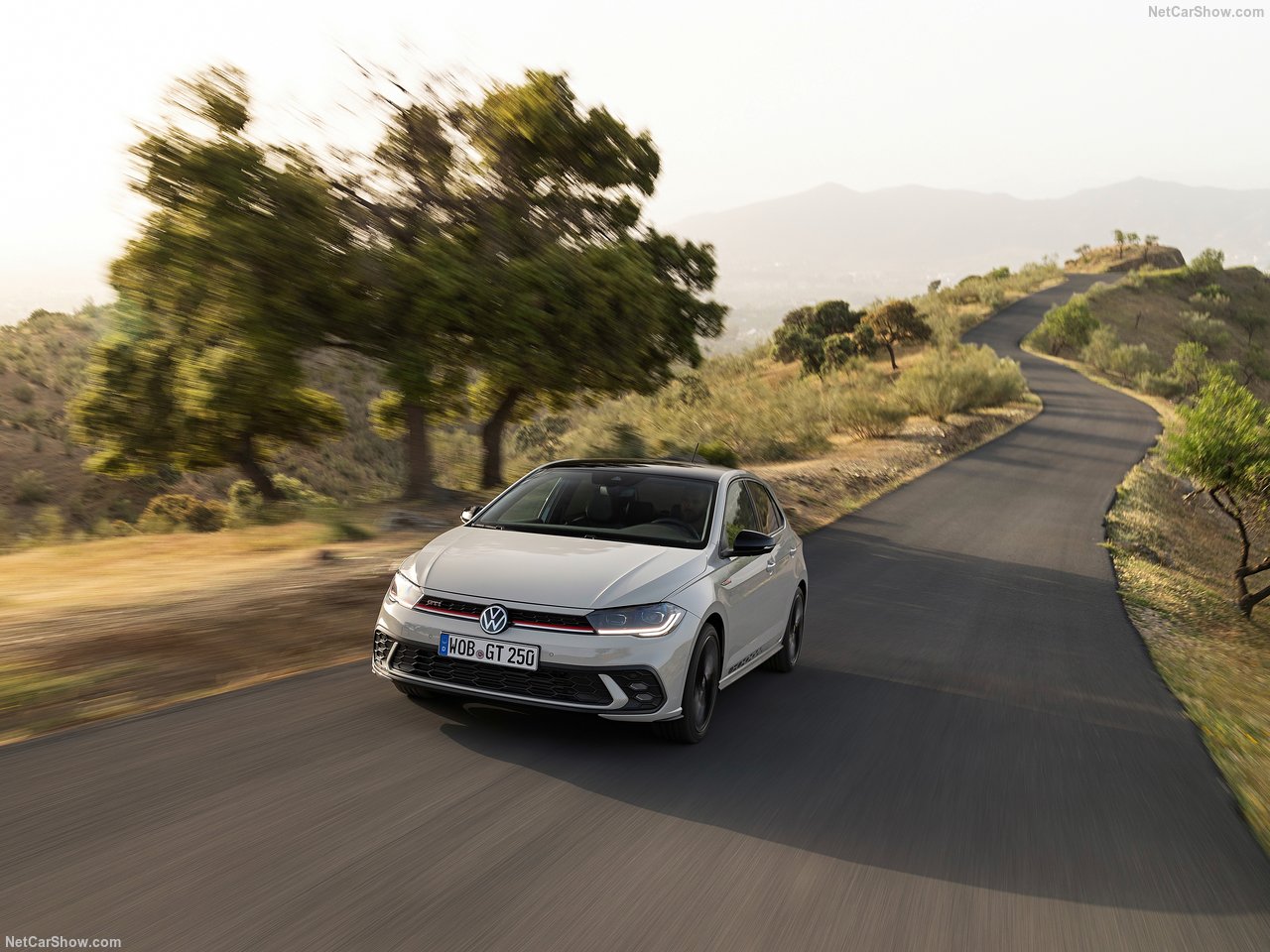
Looking at the best-selling models, reported in the dedicated post, the Fiat Strada was still the best seller despite falling 1.2% in sales, followed by the Volkswagen Polo which fell 12.5%.
EV Market Trend and Outlook
Brazil’s EV market is reaching all-time highs, growing 42.1% in 2025. With a 5% share of total sales, the sector remains dominated by Chinese carmakers, especially BYD, but also GWM.
Brazil’s approach in recent years has focused on attracting Chinese brands to invest in local EV production. This secured a faster scale-up than other regional rivals while securing its role as an EV hub.
BYD dominated with 85.1% market share, growing 43.5%, while Volvo -up 1 spot- ranked 2nd, gaining 33.3%. Geely skyrocketed 10 spots into 3rd.
Medium-Term Market Trend
The Brazilian vehicle market has experienced significant fluctuations over the past decade. After peaking in 2014, the country entered a recession, driven by political instability and falling commodity prices, leading to GDP contraction. The market saw a three-year decline, with sales dropping 19.32% in 2016, falling below the 2 million threshold. A modest economic recovery followed, helping the market grow by 7.59% in 2019. However, the COVID-19 pandemic in 2020 triggered a deep recession, weakening consumer demand and causing light vehicle sales to dip below 2 million for the first time in the decade.
While Brazil’s economy rebounded in 2021 (GDP +5.0%), market momentum remained weak. Growth slowed to 0.9% in 2022, with rising inflation and sluggish demand. Despite concerns over rising prices, stricter safety regulations, and the shift toward electrification, 2023 saw a surprising turnaround, with vehicle sales reaching 2.18 million, an 11.3% increase from the previous year. The positive momentum continued in 2024, with a 13.9% year-on-year increase in vehicle sales, bringing the market closer to pre-pandemic levels.
Tables with sales figures
In the tables below we report sales for all Brands, top 10 Manufacturer Groups, and top 10 Models.