
Chilean Vehicles Market in 2026 grows moderately. YTD figures up to february grew by 1.4%, with Peugeot plummeting into 10th while Changan surged 13.9% into 8th. EV momentum continues as sales grew 63.1% led by MG with almost 50% of the segment.
Economic Environment
Great Wall -up 4 spots- ranked 5th (+26.1%), followed by Chevrolet -down 1 spot- in 6th (-11.4%), Ford in 7th (-0.9%) and Changan -up 2 spots- in 8th (+13.9%)
Mitsubishi –down 1 spots- ranked 9th (-9.8%), followed by Peugeot -down 4 spots- closing the top 10 (-19.3%).
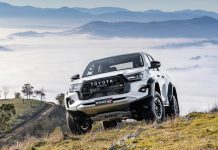
Looking at specific models the Mitsubishi L200 was still the leader despite losing 7% year-on-year. The Great Wall Poer emerged into 2nd surging 53.3% while the Toyota Hilux ranked 3rd losing 7.2%.
EV Market Trend and Outlook
Chile’s EV momentum persists in 2026, with YTD sales up to february growing 63.1% to a 4.5% share. Chile’s electricity sector is undergoing a structural shift, centered on modernizing the relatively old distribution system.
In particular, the government has laid out a 2026–2030 roadmap prioritizing faster permitting, expanded distributed generation and grid upgrades.
MG was still the leader, with an impressive 45.9% share and growing 117.2%. BYD lagged behind in 2nd, up 1 spot and 12% but with a limited 10% share while Tesla followed in 3rd, losing 1 spot and 7.7% while securing 8.4% of the segment.
Medium-Term Market Trend
Chile’s vehicle market has been highly cyclical over the past decade, rising from 337,225 units in 2014 to a peak of 416,769 in 2018, before collapsing 30.4% in 2020 and rebounding to a record 426,381 in 2022; since then, sales have weakened but stabilized at 303,683 in 2024 and recovered slightly to 310,646 in 2025.
Structural pressures include supply chain disruptions and the high cost of electrification, which continues to limit affordability. EV adoption, while still low in South America at around 0.45% of total sales, is gaining traction in Chile, with volumes rising from 6,670 units in 2024 to 9,711 in 2025, supported by government policies, expanding model availability, and improved charging infrastructure, though high upfront costs and limited consumer awareness remain key constraints.
Tables with sales figures
In the tables below we report sales for all Brands and Top 10 Manufacturers Group.