
Chilean Vehicles Market in 2024 fell 3.6% and reached 302,309 units, extending the downward trend of the previous year. Great Wall emerged with a rapid climb within a stagnant but tight Top 10.
Market Trend and Outlook
Looking at cumulative data up to December 2024 brand-wise, Toyota maintained leadership with 23,535 (-9.3%), followed by Hyundai -up 1 spot- at 20,821 (+0%) in front of Chevrolet -down 1 spot- with 20,225 sales (-5.1%) and Suzuki -up 2 spots- with 19,942 sales (+12.6%).
Kia -down 1 spot- ranked in 5th position with 19,752 sales (+2.3%), followed by Peugeot at 15,981 sales (-5%), Ford -up 1 spot- at 15,706 (+18.2%) and Great Wall -up 9 spot- with 14,448 new registrations (+80.2%)
MG ranked 9th with 11,660 sales (+0%), followed by Mitsubishi closing the top 10 with 11,220 new registrations (+4.2%).
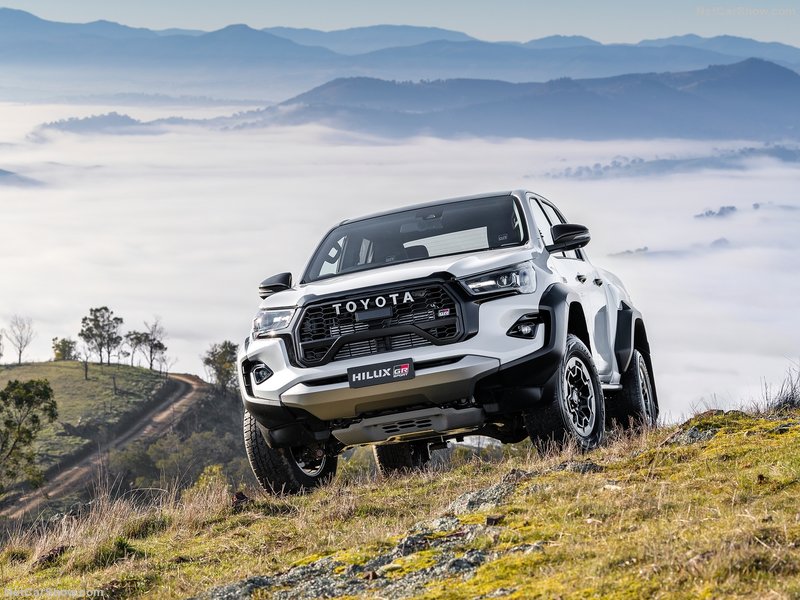
Looking at specific models the Toyota Hilux secured leadership despite a 3.9% year-on-year loss in sales, followed by the Mitsubishi L200 down 0.1%.
Medium-Term Market Trend
In the last decade the Chilean vehicles market has had many ups and downs. From 2011 to 2015 the market fluctuated in the low 200k range. First rising to a maximum of 263,146 in 2013 to then fall down to a minimum of 211,810 in 2015. By the end of 2016 the vehicles market in Chile had already gained 9.0% compared to the previous year, with 2017 following suit growing 52.5% and 2018 reporting a peak of 372,646 sales. 2019 marked the end of this 3 year uptrend, with sales reaching 369,864 but the end of the year.
The arrival of the pandemic in 2020 caused the market to drop 29.9% back down to 259,299.
It is clear that the issues faced during the pandemic weren’t due to structural problems in the industry, in fact, in 2021 the market reported an amazing growth, gaining 60.3% up to an all time high of 415,612 sales. The positive momentum continued into 2022, that totaled 425,856 new registrations, a 2.5% growth from the prior year. Despite the new-all time high, the second half of the 2022 strongly underperformed, with the last 5 months of the year posting losses.
A combination of factors are behind the current industry struggle: the disruption in the global supply chain caused by a lack of raw materials, in particular for the production of microchips and Governments push towards Evs, an expensive alternative for low income consumers. At the moment affects from this last point are very mild, due to the low adoption of BEVs in South American countries (0.45% of total market share in South America). In fact during the 2023 the market fell 26.7% with 312,191 registrations.
Tables with sales figures
In the tables below we report sales for all Brands and Top 10 Manufacturers Group.