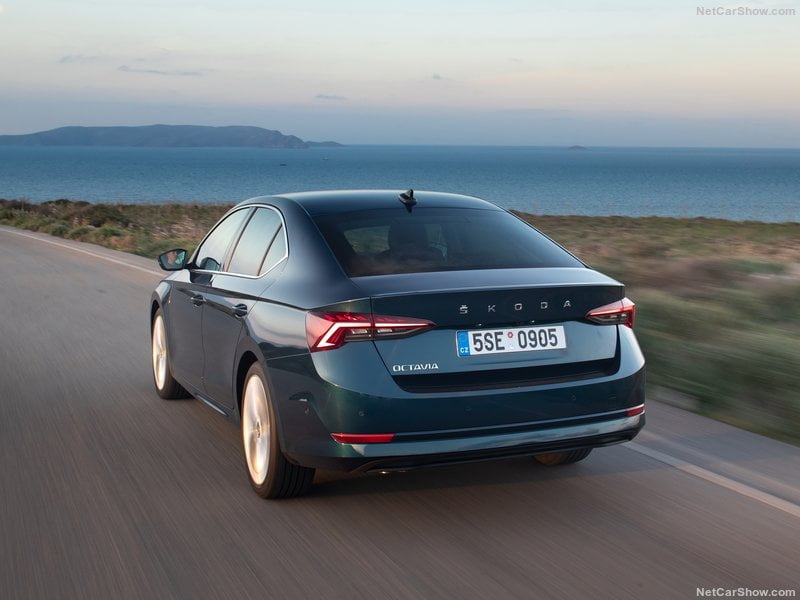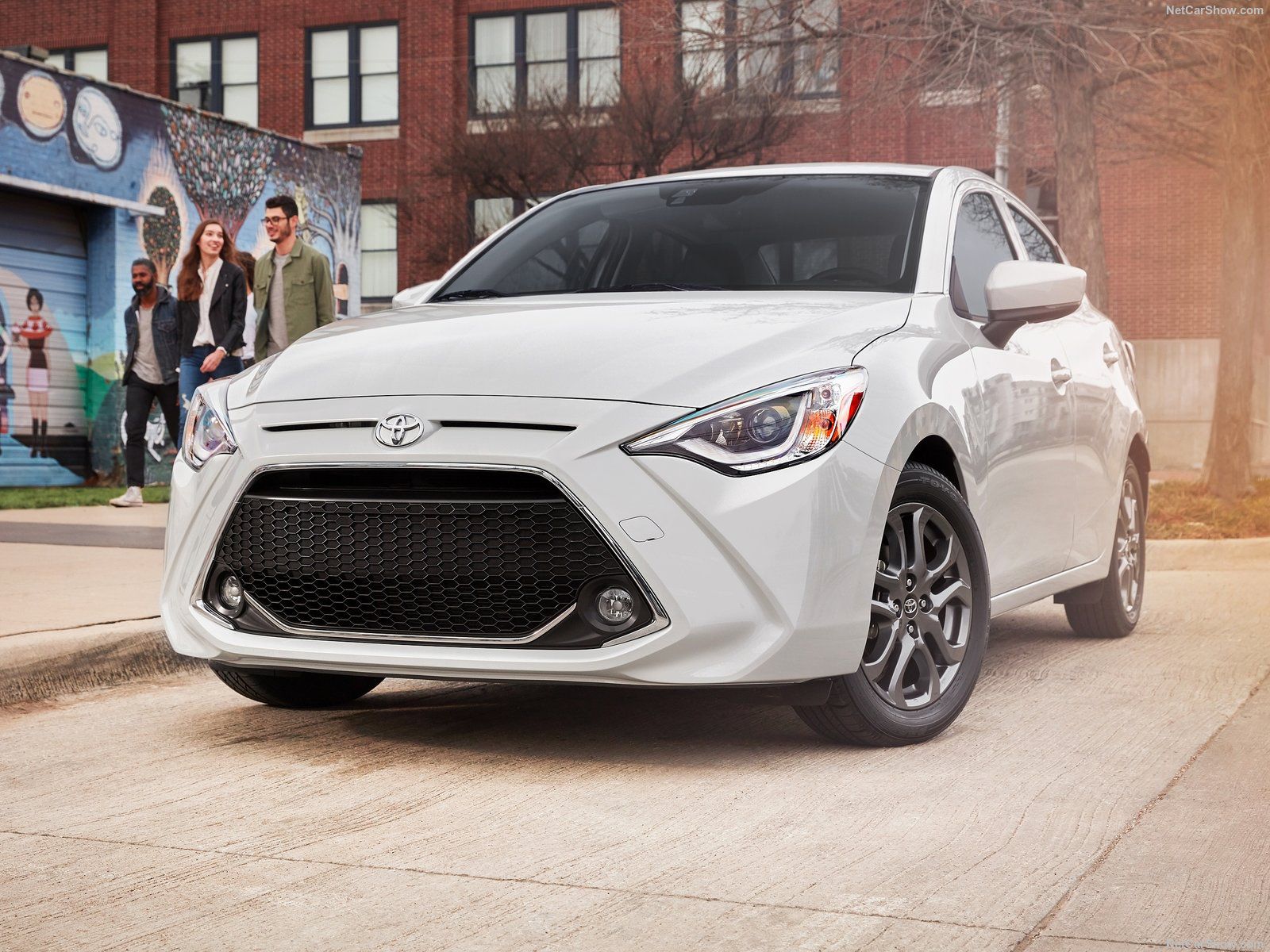
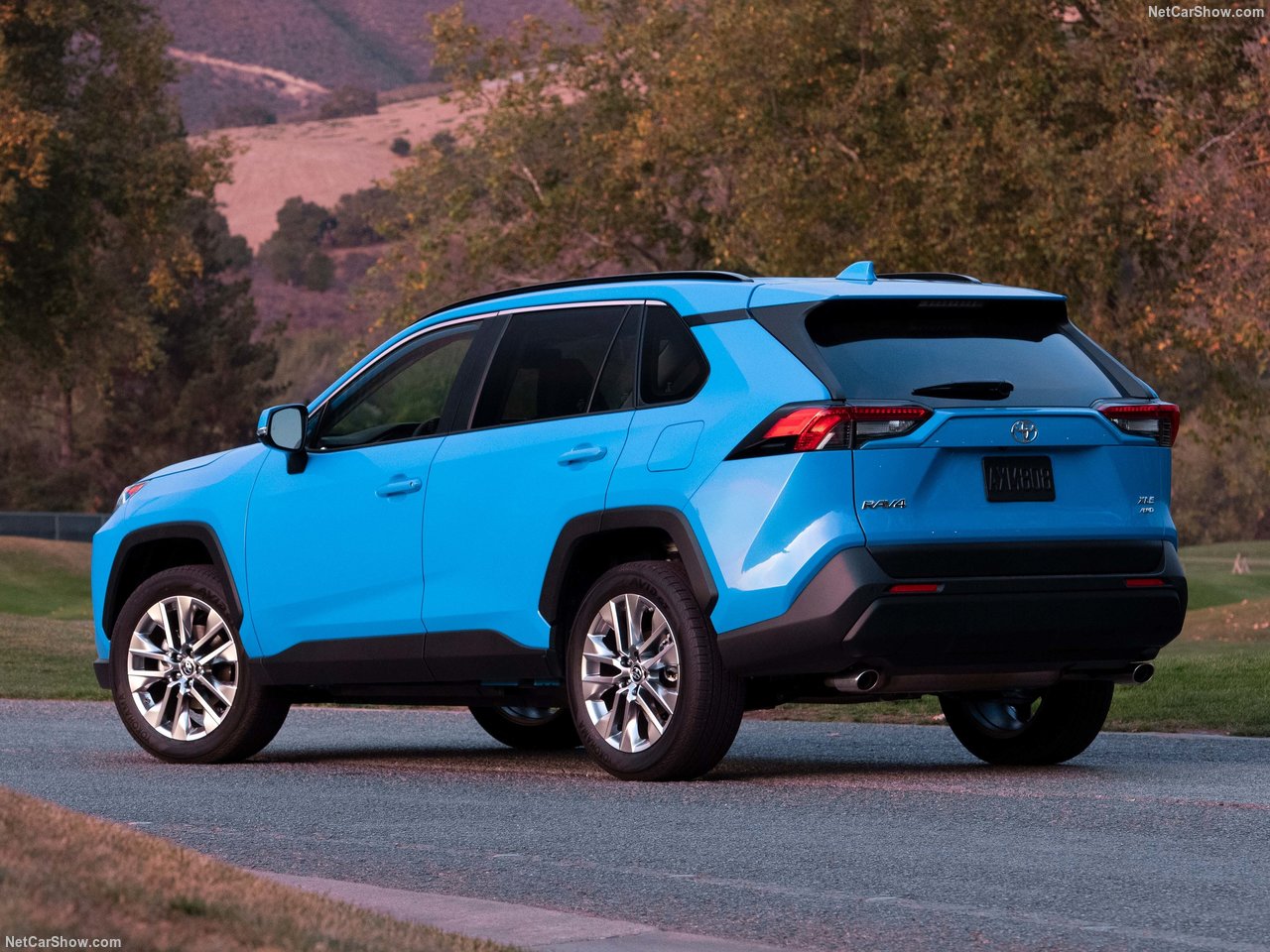
Georgia Vehicles Sales in 2024 slowed down but continued on the trend of steady growth of the last 5 years. Toyota kept the lead, up 2.1%, with 5 best-selling models.
Economic Environment
In 2024, Georgia’s economy is projected to grow by 6%, driven mainly by private consumption, investment, and government spending, while net exports are expected to contribute negatively. The labor market is improving gradually, with declining unemployment and moderate wage growth, though productivity growth remains sluggish.
Inflation, which fell significantly in early 2024, is expected to stabilize around the central bank’s 3% target by the second half of the year. The current account deficit is set to widen due to strong demand for imports and weaker external demand for key exports, though rising tourism revenues will partially offset this trend. Public finances remain stable, with a controlled fiscal deficit, increasing tax revenues, and public debt on a downward trajectory.
Automotive Industry Trend and Outlook
The Georgian vehicle market experienced a slowdown in 2024 but still managed to grow by 1%, marking its fifth consecutive year of expansion.
Brand-wise, Toyota kept the market crown, reaching 35.1% market share (+2.1%), ahead of Renault (+1.1%) in 2nd with 9.6% share and Ford (+1.1%) in 3rd with 5.6% share.
Looking at models, the Toyota RAV4 was still on top, growing 2.4%, followed in 2nd by the Toyota Corolla, up 2.6%, and the Renault Duster, up 1.4%.
Medium Terms Market Trend
The Georgian vehicle market remained generally stable between 2014 and 2018, with a steady 5% annual growth and approximately 3,500 vehicles sold each year. This stability was largely due to consistent consumer demand, limited shifts in purchasing power, and the dominance of used vehicle imports, which kept the market from expanding more rapidly. However, despite positive economic and political developments, the growth of the new vehicle market remained constrained by the high influx of second-hand vehicles imported from other CIS countries. In 2019, the market began to accelerate, with vehicle registrations surging by 39%, and despite a dip in 2020, it showed continuous improvement in the following years. Between 2023 and 2024, growth stabilized, fluctuating around 1% annually.
Tables with sales figures
In the tables below we report sales for the top 10 Models.