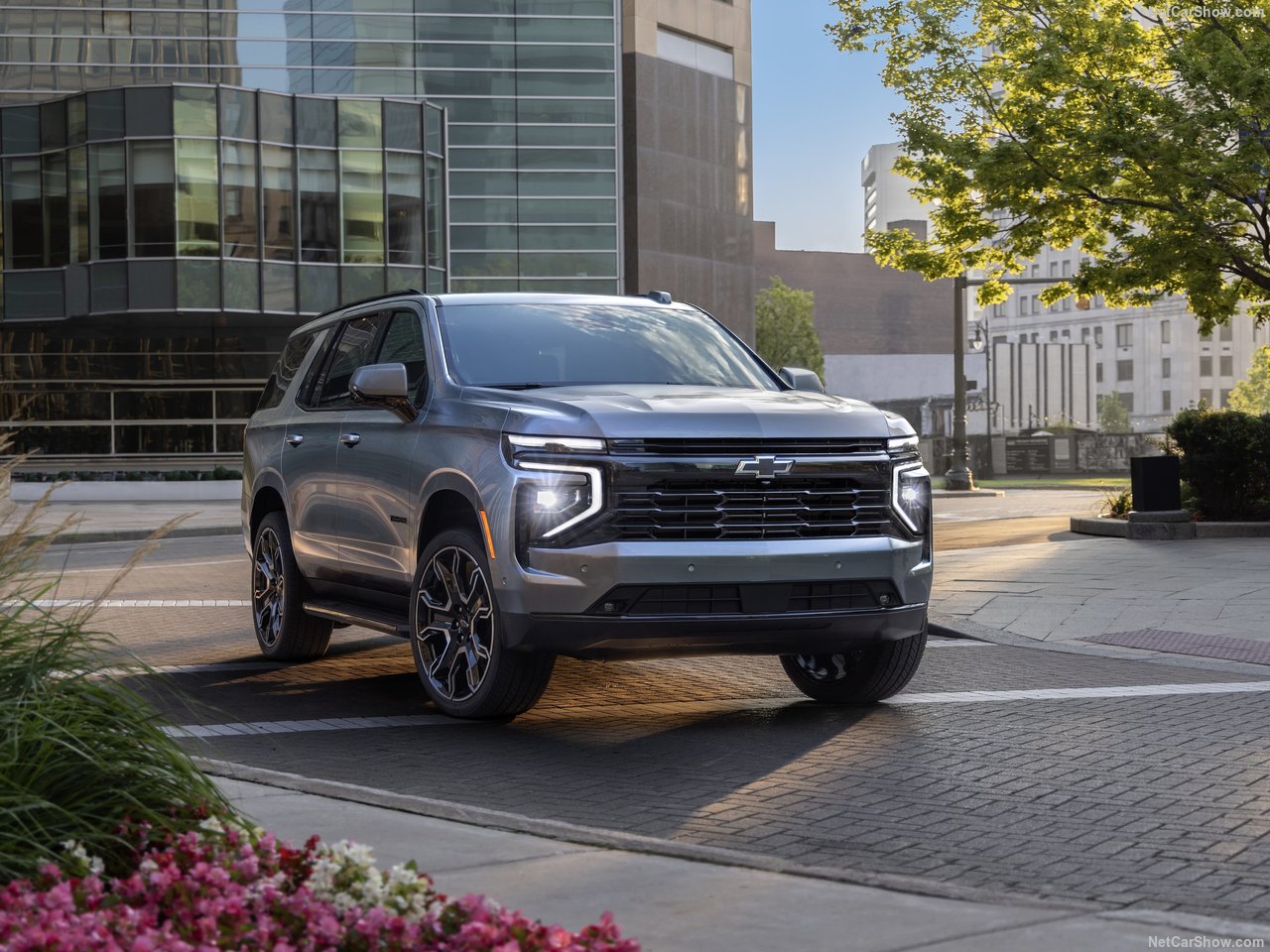
Mexico Vehicles Market in 2026 shows mild gains. YTD sales up to february grew by 4.1%, with MG and RAM reporting the best performances while Volkswagen and Hyundai dipped. While expanding, EVs remains too little a share on the total.
Economic Environment
The 2026 outlook for Mexico points to moderate economic growth, with GDP expected to rebound and core inflation easing to around 3.9% by year-end, while the Bank of Mexico is projected to gradually cut interest rates to about 6.5% to support the economy. The peso is expected to remain relatively stable, trading between 17.5 and 18.5 per U.S. dollar.
This recovery is supported by strong demand from the U.S. and a resilient labor market, although it remains uneven with some short-term weakness in early 2026 data. At the same time, rising global uncertainty, particularly from the Middle East conflict, poses risks through higher energy prices, which could increase inflation, slow growth, and put pressure on the currency, even though Mexico’s direct exposure to the region is limited.
Automotive Industry Trend and Outlook
The mexican vehicle market continues to stay on the trend that defined the previous year. After growing 8.1% in January, sales in february slowed down so that overall YTD figures reached 247,578 units, down by 4.1%.
Brand-wise, the leader was still Nissan with a 18.2% share (+7.8%), followed by Chevrolet with 12.2% (+4.4%) and Volkswagen with 8.9% (-3.9%).
Toyota ranked in 4th (+3%), followed by Kia (+4.2%), Mazda (-0.6%), MG -up 1 spot- (+31%) and RAM -up 5 spots- (+67.8%).
Ford -down 2 spots- ranked 9th (+1.6%) while Hyundai -down 1 spot- closed the Top 10 (-7.4%).
Looking at specific models, reported in the dedicated article, the Nissan Versa was still the market’s best-seller, despite an 8.1% year-on-year loss in sales, followed by the Chevrolet Aveo which grew 19.8%.
EV Market Trend and Outlook
Mexico’s EVs outlook for 2026 is delicate, as the government plans to scale back on a series of EV policies and incentives. While the segment grew by 6.7% up to february, it it still only about 1% of the whole market.
Overall, the introduction of competitive and accessible models will dictate the trend of ev adoption in the country. Dodge was the segment’s leader, growing by 22.8% to a 55.2% share. Volvo followed in 2nd, losing 43% while still retaining 14.6% and Changan ranked 3rd with 6.9% (+236.7%).
Medium-Term Market Trend
Mexico’s automotive market grew steadily from 2014 to 2016, peaking at 1.61 million sales before declining for three consecutive years to 1.32 million in 2019 (–17.8%). The COVID-19 pandemic caused a sharp 28% drop to 952,982 units in 2020 as operations shut down. Recovery began in 2021 (+6%) and continued in 2022 (+7%), despite supply chain disruptions such as microchip shortages and the relatively high cost of EVs versus ICE vehicles.
In 2023, sales rebounded strongly, rising 25.4% to 1.36 million, the third consecutive year of growth and the third-highest level on record. This momentum carried into 2024 and 2025, with total vehicle sales reaching 1,482,192 (+8.9%) and 1,508,444 (+1.8%), respectively. Meanwhile, the EV segment has expanded rapidly, surging over 200% in 2024, with sales increasing from 12,968 in 2024 (+205.3%) to 13,694 in 2025 (+5.6%), supported by Mexico’s growing role as an emerging EV production and investment hub.
Tables with sales figures
In the tables below we report sales for all Brands, top 10 Manufacturers Group and top 10 models.
This content is for members only.
Login Join Now