Italian Car Market in 2026 keeps growing. YTD sales up to April increased by 9.8%, with Fiat reporting a 30.1% surge while Dacia dropped 22% into 6th. Stellantis grew by 15.2% thanks to, among other things, Leap Motor’s impressive performance in the EV segment, where it secured a 20% share.
Economic Environment
In 2026, Italy’s economic outlook points to moderate growth of around 0.6 per cent, with a gradual strengthening projected for 2027–29. Inflation is expected to fall to about 1.4 per cent in 2026 before edging back toward 2 per cent by 2028. Italy’s GDP expanded modestly in the third quarter of 2025, supported by strong exports and investment, particularly benefiting from incentives linked to the NRRP. Household consumption grew only slightly, reflecting cautious sentiment amid global uncertainty. Activity continued to expand moderately in the fourth quarter, driven mainly by services and a tentative recovery in industry, although manufacturing faces rising competitive pressures, especially from China.
The current account surplus remained ample thanks to solid goods exports and investment income, and Italy’s net international investment position improved further. Employment resumed growth in the autumn, unemployment declined, and wage increases slightly outpaced inflation in the private sector. Inflation stayed below the euro-area average, with easing energy and producer price pressures helping core inflation dip under 2 per cent. Credit conditions remained broadly stable as ECB rates were unchanged, while lending to households and service firms strengthened and the contraction in manufacturing loans softened. Public finances showed a declining deficit-to-GDP ratio in 2025, though the debt ratio increased and fiscal policy remains slightly expansionary going forward.
Automotive Industry Trend and Outlook
Italy’s car market beat the negative trend that defined the previous years and reported growth in the first month of 2026. YTD sales up to April grew by 9.8% while reaching 640,258 units sold.
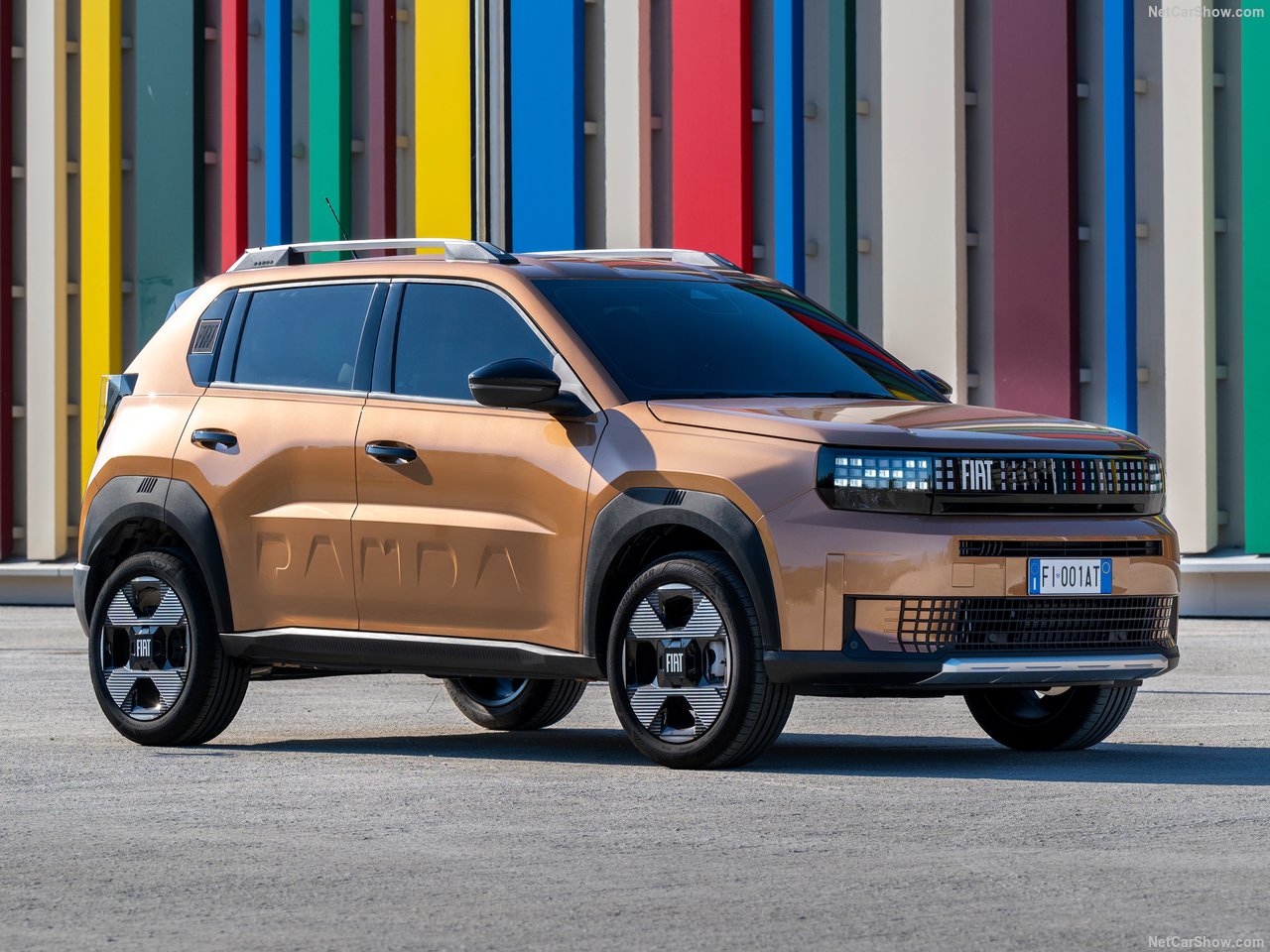
Brand-wise, the market leader Fiat, which previously showed signs of struggle, found renewed momentum, thanks among other things to a new array of successful models such as the Grande Panda. It grew by 30.1% to a 12.1% share.
Toyota followed in 2nd with a 7% share (+0.4%) while Volkswagen ranked 3rd with 7% (+2.6%).
Peugeot -up 1 spot- ranked in 4th (-11.3%), followed by Renault -up 1 spot- in 5th (+9.5%) and Dacia -down 2 spots- in 6th (-22%). In 7th place Audi -up 3 spots- (+17.8%) ahead of BMW in 8th (-5.2%), Jeep -down 2 spots- in 9th (-1.2%) and in 10th place Citroen -up 1 spot- (-1.6%).
Looking at the best-selling model ranking, reported in the dedicated post, the Fiat Panda was still the market leader, as for the last 40 years despite losing 2.2% in year-on-year volume. The Jeep Avenger followed in 2nd (+7.8%) and the Fiat Grande Panda emerged in 3rd (+1971%).
EV Market Trend and Outlook
Italy’s EV segment is expanding, with new brands emerging to secure market share. With a 12.4% share on the total, it reported growth of 66.6% up to April 2026, hinting at a future pattern of development even though hybrid remains the most preferred alternative.
Leap Motor soared into 1st, climbing 15 spots and securing a 20% share (+1728.3%). Fiat followed in 2nd, losings its spot as leader and 8.7% to a 11.7% share while BYD closed the top 3 with 7.4% (+4.4%).
Medium-Term Market Trend
Over the past decade, Italy’s passenger car market has experienced pronounced ups and downs. Beginning in 2014, registrations rose steadily in line with the broader economic recovery, reaching a peak of 1.92 million units in 2017, an increase of nearly 44% compared with 2014, supported by improving consumer confidence and favourable credit conditions.
Between 2017 and 2019, momentum faded as demand approached saturation levels. The outbreak of the COVID-19 pandemic in 2020 then caused a sharp contraction of 28.2%, bringing registrations down to 1.4 million units and reshaping market dynamics for several years.
The recovery that followed proved fragile: although 2021 recorded an 8.9% rebound, volumes fell again by 9.6% in 2022 to 1.32 million units, the lowest level of the decade. After tentative improvement at the end of 2022, 2023 opened on a stronger footing but growth remained constrained in 2024, when total registrations reached 1.556 million units, down 0.6% year on year, amid intensifying competition from Chinese manufacturers and ongoing production bottlenecks. In 2025, the market weakened further to 1.509 million units, a 3% decline compared with the previous year. Over the longer term, the sector recorded an average growth rate (AGR) of –4.7% between 2015 and 2025, underscoring the structural challenges facing the industry.
At the same time, Italy’s electric vehicle (EV) segment expanded rapidly. EV registrations surged by 172% between 2014 and 2020 and continued to grow thereafter, reaching 86,224 units in 2024 and accounting for 5.57% of total sales. This expansion has been supported by public incentives and the gradual development of charging infrastructure, although EV penetration in Italy still remains below the European average.
Tables with sales figures
In the tables below we report sales for all Brands, top 10 Manufacturers Group and top 10 models.
This content is for members only.
Login Join Now