Myanmar Vehicles Market in 2025 spikes towards year-end. Full-year sales grew by 59.6%, with BYD securing a 34.2% share while grwoing 68.3%. The chinese carmaker also drove EV sector’s expansion to capture almost the entirety of the market.
Economic Environment
Automotive Industry Trend and Outlook
Despite the unfavourable economic outlook, Myanmar’s vehicle market grew 59.6% in 2025. Despite moving below 0% during May and June, sales growth spiked towards year-end and in Q4.
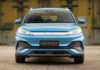
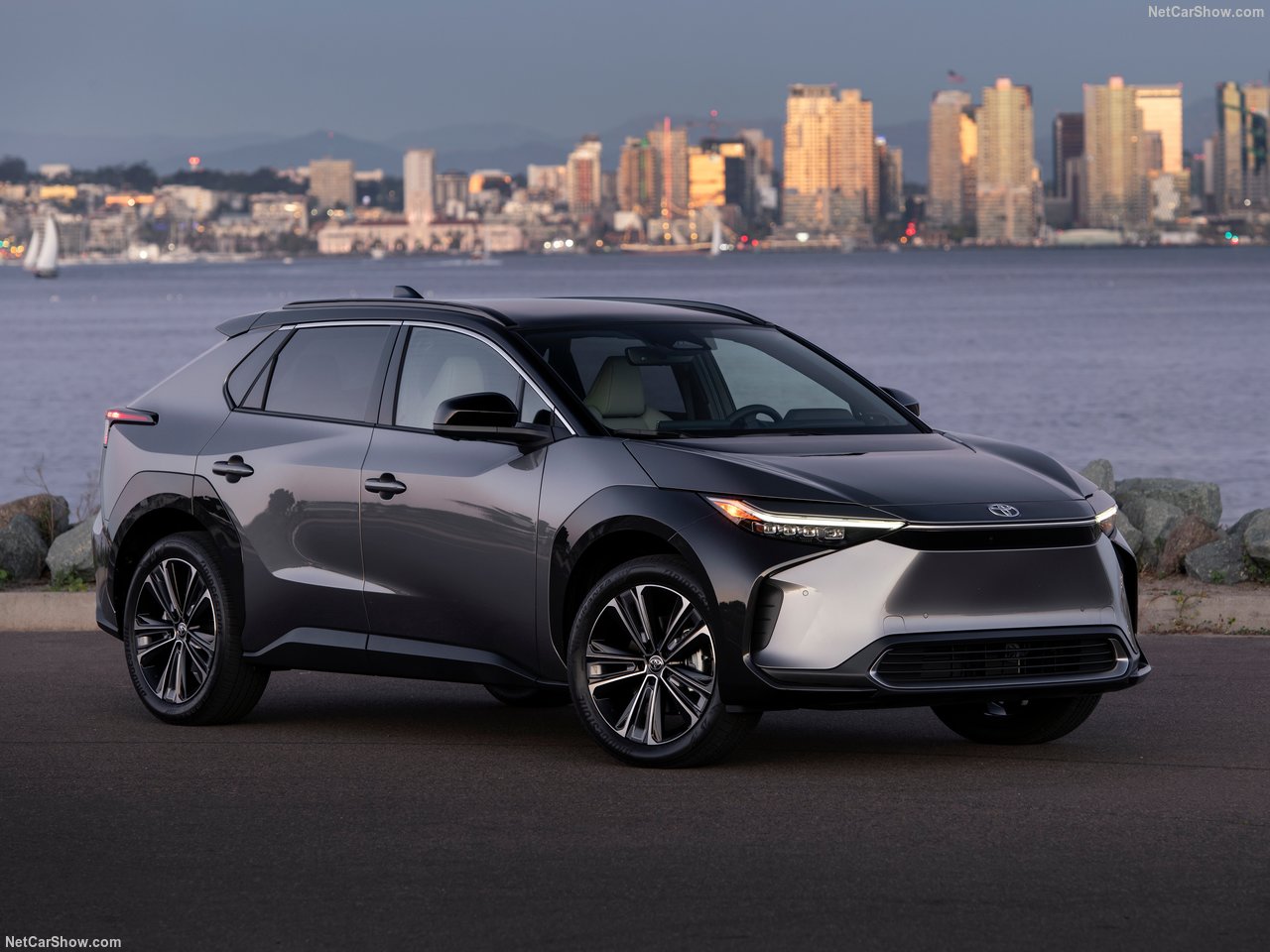
Brand-wise, BYD was still market leader, with a 34.2% share (+68.3%). MG followed in 2nd gaining 16%, while Leap Motor ranked 3rd (+22.5%). Toyota -up 2 spots- ranked 4th, up 545.6% while Neta -down 1 spot- closed the Top 5, growing 27.4%.
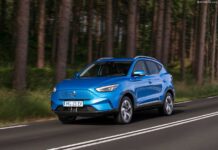
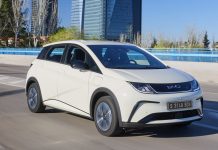
Looking at specific models, the MG ZS EV ranked 1st despite losing 0.7%, followed by last year’s leader, the BYD Atto 3 (+0.1%) and the BYD Dolphin, growing 32.3%.
EV Market Trend and Outlook
Myanmar’s EV sector is rapidly expanding, with sales up 74.7% in Q1 of 2025. Capturing an impressive 97% market share, this surge was fueled by government incentives, including tax breaks and reduced import duties, as well as growing involvement of chinese carmakers, mainly BYD and MG, which secured a major share in the country’s market.