Norwegian Auto Market in 2025 is expanding. YTD sales up to November grew by 19.7%, with Tesla and Volkswagen leading the top 10 while surging in double-digits. The two brands were also at the top of an expanding EV sector.
Economic Environment
After showing impressive growth during Q1 2025, the Norwegian car market plateaud around 19.7% in Q2 and Q3. YTD sales up to November 2025 showed an increasing trend, up by 19.7% to 162,049 units.
Brand-wise, Tesla secured leadership with a share of 17.7% (+34.6%) in front of Volkswagen in 2nd with 16.7% (+28.8%) and Toyota in 3rd (-23.4%).
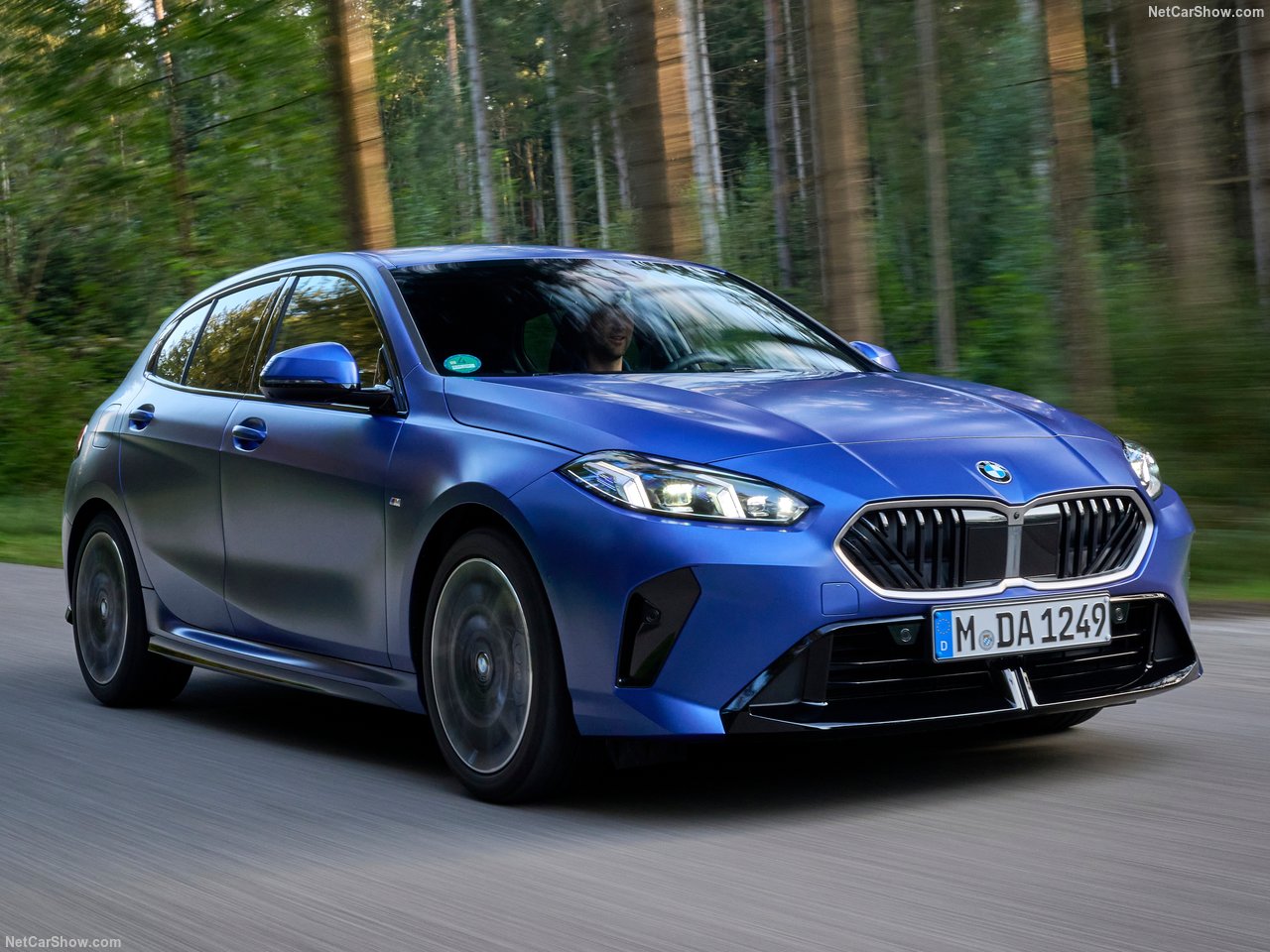
Volvo ranked 4th (+18.1%) followed by Ford in 5th (+26.8%), BMW -up 1 spot- in 6th (+42.8%), and Skoda -down 1 spot- in 7th (+22.2%).
Mercedes ranked in 8th (+13.8%), in front of Audi -up 3 spots- in 9th (+13.6%), and Hyundai -down 1 spot- in 10th (-5.6%).
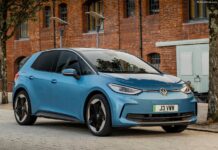
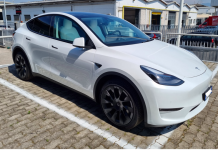
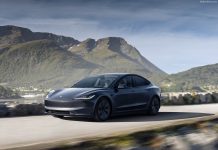
Looking at specific models the Tesla Model Y remained on top of the rankings, gaining 51.1% in year-on-year sales volume, followed by the Volkswagen ID.Buzz and the Volkswagen ID.4.
EV Market Trend and Outlook
Norway’s steadfast commitment to promoting EVs supported its recovery from 2024 contraction. Looking at cumulative figures up to October 2025, the EV share of total car sales amounted to 75%. Norway’s approach included tax exemptions for EVs, high taxes on fossil fuel vehicles, and investments in charging infrastructure.
Tesla claimed top spot, growing 34.6% while Volkswagen, which still grew 54.1% but fell into 2nd. Volvo closed the podium, up 30.4% in 3rd.
Medium-Term Market Trend
The Norwegian car market started in 2014 at 169,450 units and grew steadily over the next three years, reaching 191,914 in 2017, up 3.5% in annual volume. Sales declined in 2018 and 2019, dropping 5.5% and 2.5% respectively, ending 2019 at 177,623 units. This was largely due to the introduction of the WLTP emissions testing standard, which disrupted supply as manufacturers adjusted.
The pandemic only partially affected sales in Norway, which remained one of Europe’s best-performing markets in 2020, falling just 6.3% to 167,161 units.
In 2021, the market rebounded strongly, hitting a decade-high 205,538 units, but momentum faded in 2022 with a 2.1% decline to 201,240. In 2023, the market dropped sharply by 32.1% to 152,374 units, due to high interest rates, inflation, and reduced EV incentives dampening demand. Sales stabilized somewhat in 2024, with losses limited to 1%.
Norway was an early EV adopter, with strong growth from 18,616 units in 2014. After consistent double-digit gains, the market dipped 41.3% in 2018, then rebounded in 2021 and 2022 with 39.3% and 29.1% growth, respectively. Another drop followed in 2023 (–28.7%), but EVs regained ground in 2024, reaching a 74.1% market share, highlighting the strength of Norway’s long-term electrification strategy.
Tables with sales figures
In the tables below we report sales for all Brands, top 10 Manufacturers Group and Top 10 models.