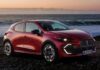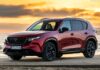

Qatar Vehicle Market in 2025 expands quickly. Full-year figures rose by 18.6%, with Jetour surging 113.8% in 2nd while TANK and Haval emerge as new contender. Notably, Suzuki dropped from 6th into 10th.
Economic Environment
Automotive Industry Trend and Outlook
The Qatari vehicle market continues on an impressive streak, growing by 18.6% overall in 2025. Reporting the largest gains in the GCC area, sales surged during Q1 and Q2 and then progressively stabilized around 20%.
Brand-wise, the leader was Toyota, up 7.3% while Jetour climbed 1 spot into 2nd, growing 113.8% and threatening to take the leader’s spot.
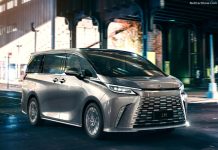
Nissan fell 1 spot and ranked in 3rd place, while losing 1.2%, ahead of Kia in 4th (+6.6%). Lexus closed the top 5 surging 12.5%.
Notably, TANK climbed 23 spots in 7th while Haval surged 28 spots in 8th.
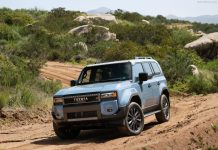
Looking at specific models the Toyota Land Cruiser was still best seller despite losing 1.9%. The Jetour J2 overperformed all other Top 10 models, up 65.5%.
EV Market Trend and Outlook
EV brands are competing for market share, with Tesla claiming the top (+67%). Mercedes followed in 2nd, up 7 spots (+786.2%) while Lexus closed the top 3 climbing 3 spots (+510%).
Medium-Term Market Trend
Following rapid development in the early 2000s, Qatar’s light vehicle market peaked in 2014 with 97,501 units sold. However, the subsequent decline in international oil prices, coupled with restrictive economic policies and the introduction of new taxes, including VAT, led to a significant downturn. Between 2015 and 2019, the market halved, reaching 52,676 units in 2017 and continuing to contract in the following years. The COVID-19 pandemic further impacted sales, which fell to a 15-year low of 39,850 units in 2020.
A swift recovery began in 2021, driven by demand associated with the FIFA World Cup preparations. Growth continued in 2022, with sales reaching 61,069 units, a 34.7% increase. By 2024, the market expanded by 20.4% to 76,314 units, approaching pre-downturn levels, bolstered by sustained economic growth and a steady rise in the population.
Despite this recovery, electric vehicle adoption in Qatar remains limited. Although there was significant growth in 2024, EVs still represent a negligible share of total vehicle sales. This lag is attributed to factors such as high upfront costs, limited charging infrastructure, and consumer concerns about battery performance in extreme temperatures .
Tables with sales figures
In the tables below we report sales for Top 10 Models.