Singapore Car Market in 2025 stays on upward trend. Full-year sales gained 22.4%, with BYD soaring in 1st while prior leader Toyota fell into 2nd. Notably, Nissan dropped 2 spots into 10th, reporting largest losses among leading brands.
Economic Environment
Brand-wise the leader became BYD which climbed 1 spot and secured a 21.2% share (+80.6%), followed by Toyota -down 1 spot- in 2nd (-5.2%), BMW -up 1 spot- in 3rd (+0.4%) and Mercedes -down 1 spot- in 4th (-4.5%). Honda closed the top 5 while growing 24.5%.
Notably, Nissan fell 30.1% and 2 spots into 10th.
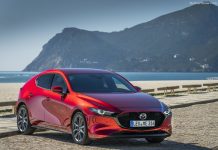
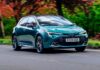
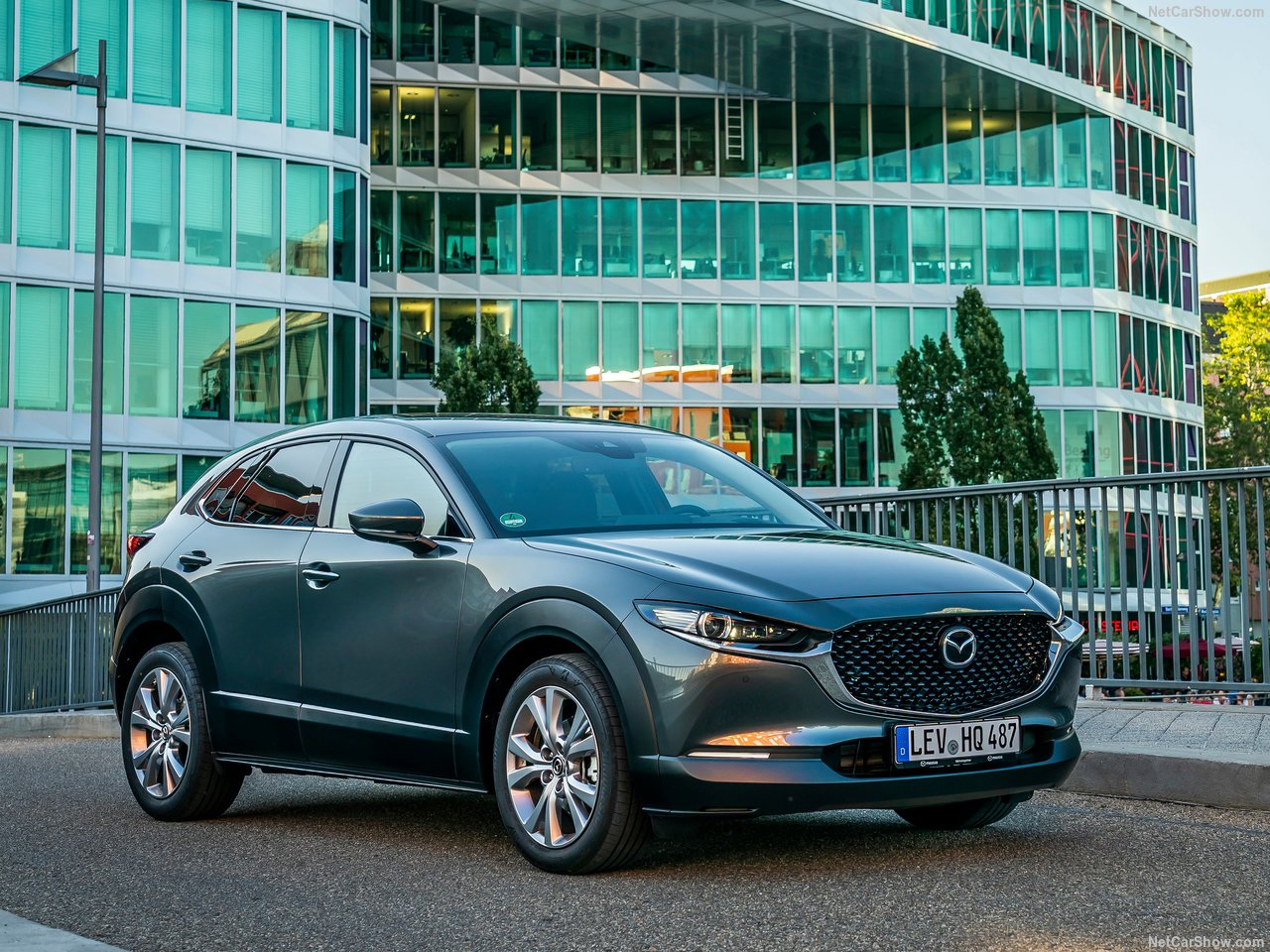
Looking at specific models the Toyota Corolla secured 1st spot whilst growing 12.2% from the previous year, followed by the Mazda3 up 12.5%.
EV Market Trend and Outlook
Singapore’s EV sector is accelerating quickly, thanks to government initiatives such as the The Vehicular Emissions Scheme. Chinese brands, with BYD at the forefront, are securing a hold onto the country’s sector, providing more affordable vehicles. Still, infrastructure scaling remains a key bottleneck for EV developement.
Medium-Term Market Trend
Singapore’s car market has seen sharp fluctuations over the past decade. From 2014 to 2017, sales surged from 29,036 to a record 92,016 units, a 217% increase. This was followed by a downturn, with sales falling 12.6% in 2018 and 9.9% in 2019, down to 72,408 units. The pandemic in 2020 led to widespread disruptions, causing a sharp 38.6% drop to 44,463 units. A mild recovery followed in 2021, but sales declined again in 2022 (–31.9%) and 2023 (–2.3%), reaching just 30,221 units. Factors behind the slump included global supply chain issues, especially microchip shortages, and a shift toward EVs, still unaffordable for many low-income consumers.
In 2024, the market rebounded by 42.4%, driven by improved COE quota availability, easing supply constraints, and strong demand from ride-hailing and logistics firms. However, EVs remain a small fraction of total sales, hindered by high upfront costs (partly due to the “Certificate of Entitlement” required by the government), limited charging infrastructure, and consumer concerns about range and convenience despite growing government incentives and long-term green targets.
Tables with sales figures
In the tables below we report sales for all Brands and top 10 Manufacturers Group.