
Bahrain Vehicle Market in 2026 is contracting. Q1 sales reported a 17.2% decrease, in line with the broader trend of GCC and Levant region. While Jetour surged by 70.4%, Nissan and MG dropped by 60.1% and 46.6% respectively.
Economic Environment
2026 forecasts point to a sharp economic downturn in Bahrain, with real GDP expected to contract by 3.3% due to disrupted oil production, manufacturing losses, and weaker non-oil activity linked to regional conflict and Strait of Hormuz disruptions. The fiscal deficit is projected to widen to 8.4% of GDP, reflecting lower hydrocarbon output and higher financing costs, while public debt is expected to continue rising on an upward trajectory over the medium term.
External performance weakens as the current account surplus narrows to about 0.2% of GDP amid reduced exports, particularly aluminum and oil, though gradual recovery is expected from 2027 as production normalizes and regional conditions stabilize. Inflation is forecast to rise to around 2.5% in 2026. Despite these pressures, Bahrain’s credit profile is supported by expected financial backing from GCC partners, helping sustain the currency peg and external financing stability, with medium-term growth projected to recover gradually toward around 3% as disruptions fade.
Automotive Industry Trend and Outlook
As geopolitical shocks impact sales growth in the GCC and levant region, Bahrain’s outlook remains dire. Q1 sales in 2026 dropped by 17.2%to about 7,872 units.
Brand-wise, Toyota remained the top brand, up by 0.2% with a 32.7% share, followed by Jetour -up 2 spots- in 2nd with 11.1% (+70.4%). Suzuki grew by 2 spots into 3rd (+1.3%). Haval ranked 4th (+11%) while Lexus (-39.4%) dropped 2 spots and closed the top 5.
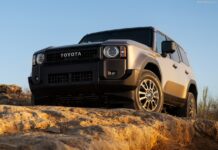
Among models, the Toyota Land Cruiser was still the best seller despite losing 13.4%, followed by the Jetour T2 -up 2 spots- (+18.5%) and the Toyota Hilux which grew by 4 spots and reported gains of 28.5%.
EV Market Trend and Outlook
Bahrain’s EV shakes up, as the arrival of brands like BYD and Changan prompt dynamism in the segment. Witha share of 3.9%, it also reported one of the largest gains in the GCC and Levant region at +88.9%.
BYD emerged as the leader with a share of 31.1%. Hyundai followed in 2nd with about 15.2% while Changan surged 11 spots in 3rd to secure 10.7%.
Medium-Term Market Trend
Tables with sales figures
In the tables below we report sales for Top 10 Models.