Spanish Auto Market in 2025 is expanding. Sales in January grew 1.1%, with Seat and Peugeot surging onto the podium while Renault and Kia lost their spot. EVs report impressive gains to a 40% share.
Economic Environment
After closing 2024 on a strong note, with one of the best performance among EU countries, the spanish car market opens 2026 with more stable figures. In January 2026, 73,103 units were sold, reporting a 1.1% year-on-year increase.
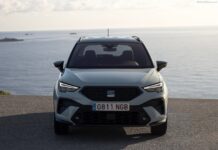
Brand-wise, Toyota secured again the leadership (-5.5%) with a 9.7% share, followed by Seat -up 6 spots- in 2nd which secured a 6.9% share (+36.7%). Peugeot -up 6 spots- ranked 3rd with a 6.4% share (+43.6%).
Volkswagen -up 3 spots- ranked 4th (+10.6%), followed Mercedes -up 1 spot- in 5th (+4%). Renault -down 3 spots- ranked in 6th (-18.2%), and Kia -down 5 spots- in 7th (-26.7%).
BMW -up 7 spots- in 8th (+21.7%) followed by Audi -up 3 spots- in 9th (+11%) and in 10th place Skoda -up 6 spots- (+19.1%).
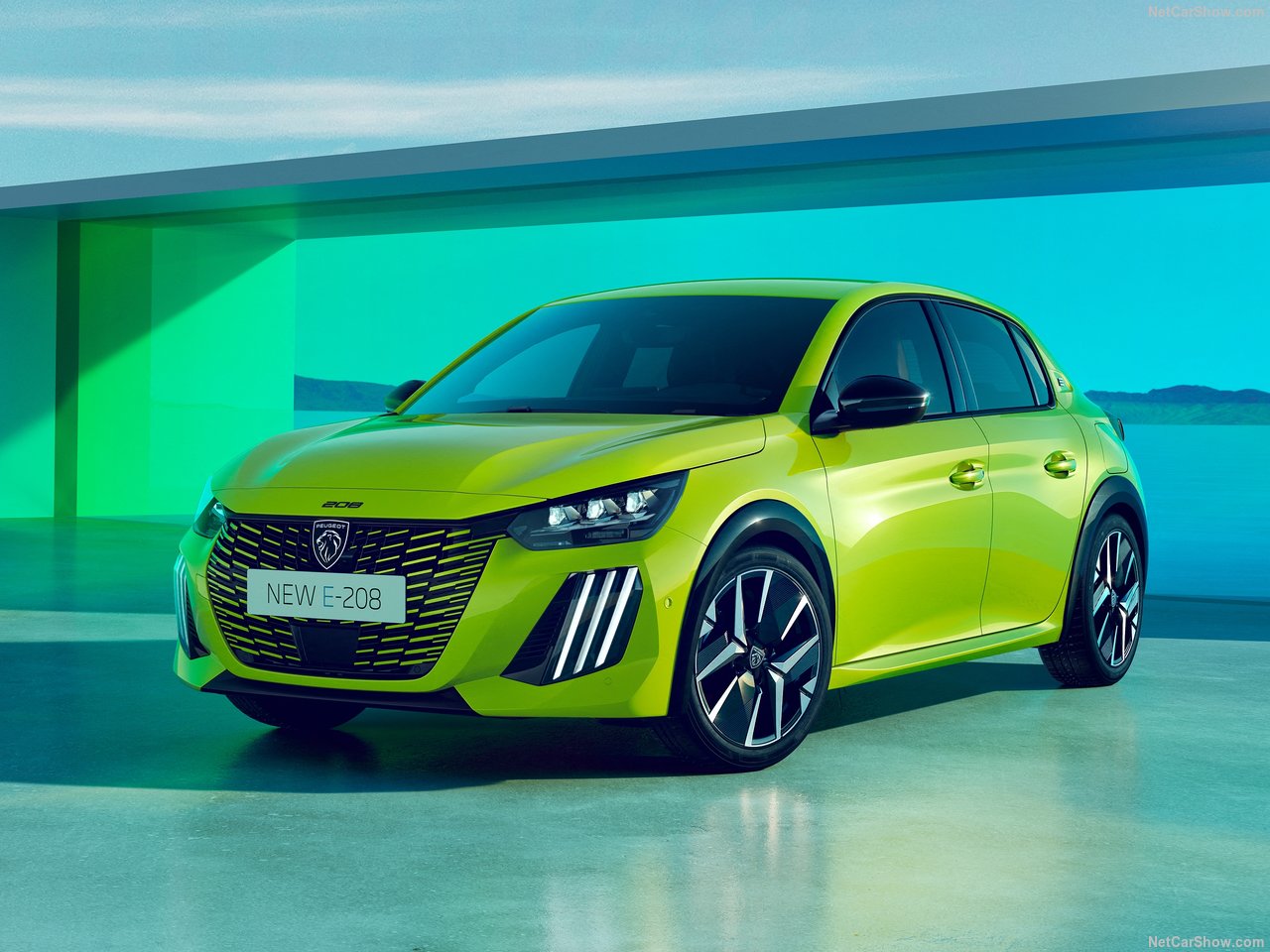
Looking at the best-selling models, reported in a dedicated article, the Peugeot 208 emerged as the best seller, rising 18 spots and 109.3%. The Seat Ibiza ranked 2nd, growing 6 spots and 42.2% while the Seat Arona closed the top 3 (+79.6%).
EV Market Trend and Outlook
Medium-Term Market Trend
Spain’s auto market posted strong expansion from 2014 to 2019, rising 51.88% as the economy recovered from the 2008 financial crisis, lifting consumer confidence and supporting new-vehicle demand. By 2019, registrations had stabilized at roughly 1.3 million units, but the onset of COVID-19 in 2020 caused a steep 34.6% drop to about 858,000 units, setting a difficult baseline for the years that followed. Passenger-car sales were essentially flat in 2021 at 859,000 units (+0.9%), and 2022 remained challenging. Momentum returned in 2023 with a 17% rebound, followed by continued growth in 2024 (+7.1%), supported by government incentives, a tourism recovery, and improving macroeconomic conditions.
Electrification also accelerated: EV volumes jumped 185% between 2021 and 2023 and grew a further 34.5% in 2024. At the same time, a specific EV sub-segment showed modest softening, with 2,807 units sold in 2024 (-0.8% YoY) before edging up to 2,845 units in 2025 (+1.3% YoY). Over the longer horizon, that sub-segment still reflects an 11.1% average annual decline (AGR) from 2015–2025. Despite intensifying competition from Chinese entrants, European players such as Renault and Dacia continue to invest in EV adoption, reinforcing Spain’s ongoing shift toward electrification.
Tables with sales figures
In the tables below we report sales for all Brands, top 10 Manufacturers’ Groups, and top 10 Models.