Ukrainian Vehicle Market in 2025 keeps stagnating. YTD sales up to August fell 0.8%, after fluctuating for the prior months following the surge in the early months. BYD rose 140.4% with impressive growth as the EV sector expanded.
Economic Environment
Despite starting strong in Jan-Feb, the Ukrainian vehicle market is now slumping. Looking at YTD data up to August 2025, sales fell 0.8%, totaling 46,175 units.
Toyota was still the leader, with a 14.3% share (-12.8%). Renault followed in 2nd, down 15.6% with a 9.1% share while Volkswagen ranked 3rd, gaining 1 spot and 11.6%.
Skoda rose 1 spot and 11% into 4th while BYD emerged as new contender, up 140.4% and 8 spots into 5th.
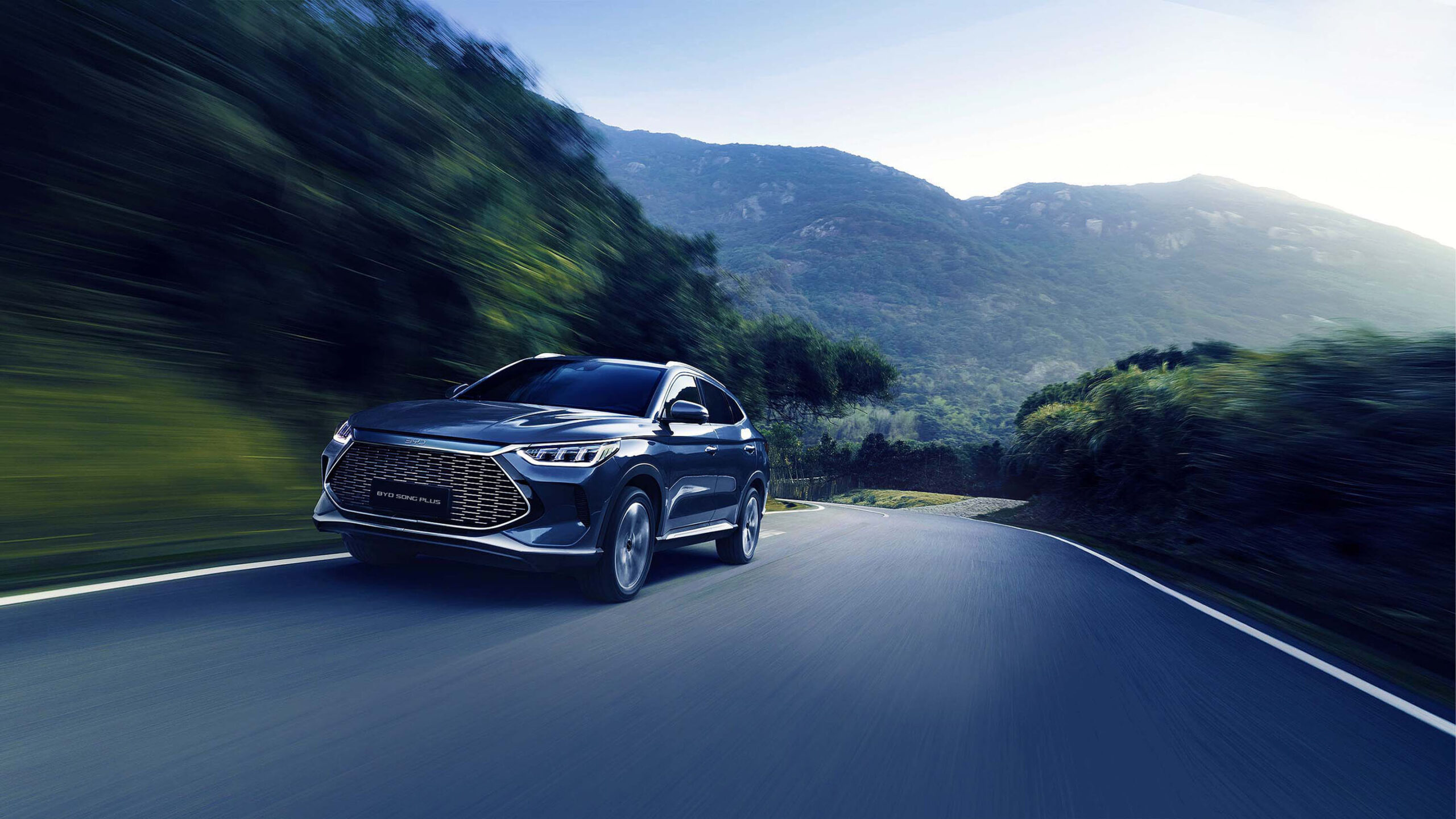
Looking at models, the Renault Duster was the best seller despite losing 2% while the Toyota RAV4 ranked 2nd, down 20.4%. Notably, the BYD Song Plus reported impressive growth, climbing 142 spots into 3rd.
EV Market Trend and Outlook
Demand for EVs is rapidly increasing in Ukraine, with sales up to August 2025 growing 142.9% to a share of 17%.
Tax and duty exemptions, such as green license plates for EVs are supporting growth, as well as other initiatives such as loans for energy infrastructure restoration projects. Still, structural hurdles remain, such as a lackluster system of charging points outside of Kyiv and other major cities.
BYD was the absolute leader of the segment, up 140.4 and with a share of 41.2% thanks, among other things, to the BYD Song Plus. Volkswagen followed in 2nd climbing 10 spots.
Medium-Term Market Trend
The Ukrainian automotive market was hit hard by the outbreak of the Russo-Ukrainian conflict, with sales collapsing by about 54.6% year-on-year to just 44,487 units. Signs of recovery followed in 2016 and 2017, when registrations climbed back to around 82,700 units. The pace slowed again in 2018, with a minor decline to 80,742 units, but in 2019 the market bounced back strongly, growing 20.8% to 88,399 units. The pandemic in 2020 interrupted momentum, yet sales held relatively steady, down only 3.3% at 85,434 units. In 2021, pent-up demand and a more favorable economic backdrop pushed sales to a decade peak of 103,243 units.
The sharp reversal came in 2022, when full-scale war caused supply chain collapse, dealership closures, and reduced consumer purchasing power; new car sales plunged by nearly two-thirds to about 37,900 units, the lowest in more than a decade. In 2023, the sector began to recover as imports resumed, logistics improved, and international aid supported broader economic activity. Partial recovery continued in 2024, with sales expanding further, although volumes still remained well below the levels seen before 2022.
The electric vehicle segment began to gain real traction in 2023 and 2024. Growth was supported by generous tax and duty exemptions for EV imports, rising fuel prices, donor-backed expansion of charging infrastructure, and the popularity of affordable used EVs such as the Nissan Leaf and Tesla Model 3. Despite this rapid growth, EVs remain a relatively small share of the overall market, reflecting the dominance of an ageing ICE fleet and limited charging coverage outside major cities.
Tables with sales figures
In the tables below we report sales for all Brands, top 10 Manufacturers Group and top 10 Models.