Chilean Vehicles Market in 2025 stays on year-long averages. Full-year figures grew 2.3%, with Changan growing the most among top 10 brands. While MG left the rankings, it still retained leadership of the EV sector which expanded by 45.6%.
Economic Environment
Brand-wise, Toyota maintained leadership with a share of 7.8% (+3.2%), followed by Hyundai -up 2 spots- in 2nd (+3.9%), Suzuki -up 1 spot- in 3rd (+7.9%) and Kia -up 1 spot- in 4th (+0.3%).
Chevrolet -down 2 spots- ranked 5th (-11.5%), followed by Ford -up 1 spot- in 6th (+2.3%), Great Wall -up 1 spot- in 7th (-6.3%) and Peugeot -down 2 spots- in 8th (-4.5%)
Changan –up 2 spots- ranked 9th (+24.2%), followed by Mitsubishi closing the top 10 (+1.3%).
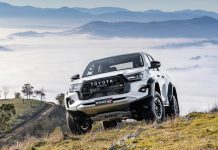
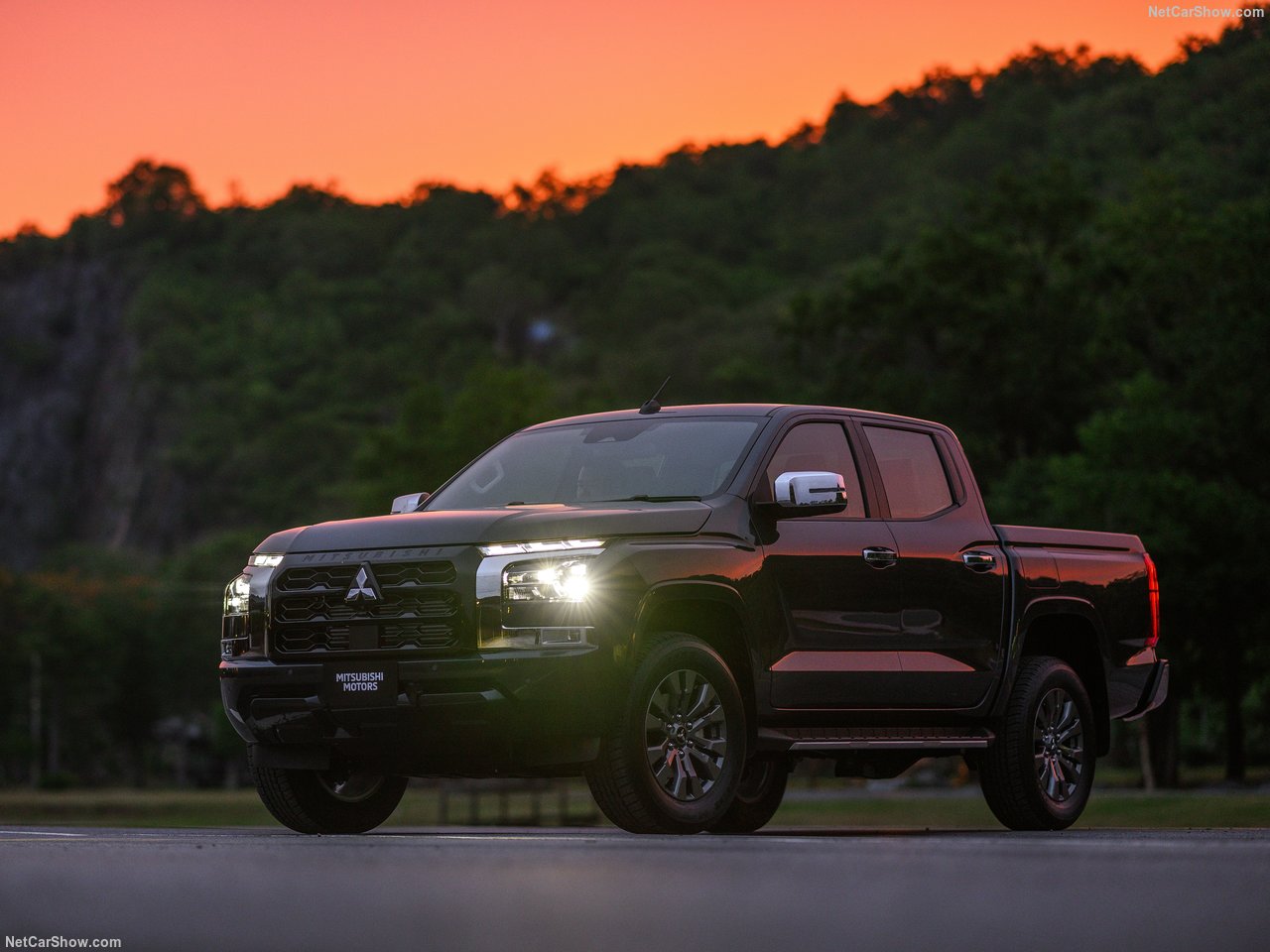
Looking at specific models the Toyota Hilux was the leader despite falling 2.2%. The Mitsubishi L200 followed in 2nd (+0.1%) while the Great Wall Poer surged 12.3% in 3rd.
EV Market Trend and Outlook
Chile’s EV Market gained 45.6% in 2025. Given the country’s role as a supplier of lithium, the government is investing in its charging infrastructure to scale up EV adoption. Lithium supplier are also entering long-term agreements with automakers to provide crucial resources for EV batteries.
MG led with a dominant 31.2% share and growing 9.6%, while BYD followed in 2nd growing 28.2% to a share of 16.2%.
Medium-Term Market Trend
In the last decade, the Chilean vehicle market has seen many ups and downs. From 2014 to 2018, it fluctuated sharply, starting at 337,225 in 2014, briefly contracting in 2015 (-16.4%), then rebounding to a record 416,769 in 2018, up 15% year-on-year.
The pandemic in 2020 triggered a 30.4% drop to an all-time low of 258,603 units. However, the downturn wasn’t due to structural industry issues. In 2021, sales surged 60.6% to 415,612, and 2022 hit a decade high of 426,381 units. Still, performance weakened in the second half of 2022, with the final five months posting losses. This trend continued in 2023 with a 26.4% decline, and again in 2024, down 5% to 298,159 units.
Current struggles stem from global supply chain disruptions, especially microchip shortages, and the costly transition toward EVs, which remain unaffordable for many low-income consumers. That said, EV adoption in South America is still limited, at just 0.45% of the total market.
In Chile, EVs grew rapidly from 2021, thanks also to government support. Sales peaked in 2022, driven mainly by companies, then stabilized around 5,000 units in 2024. Model availability nearly doubled between 2023 and 2024 and prices dropped significantly. Government policies, like the 2024 Energy Efficiency Law, and more charging infrastructures supported growth. Still, high upfront costs and low awareness remain key barriers to mass adoption.
Tables with sales figures
In the tables below we report sales for all Brands and Top 10 Manufacturers Group.