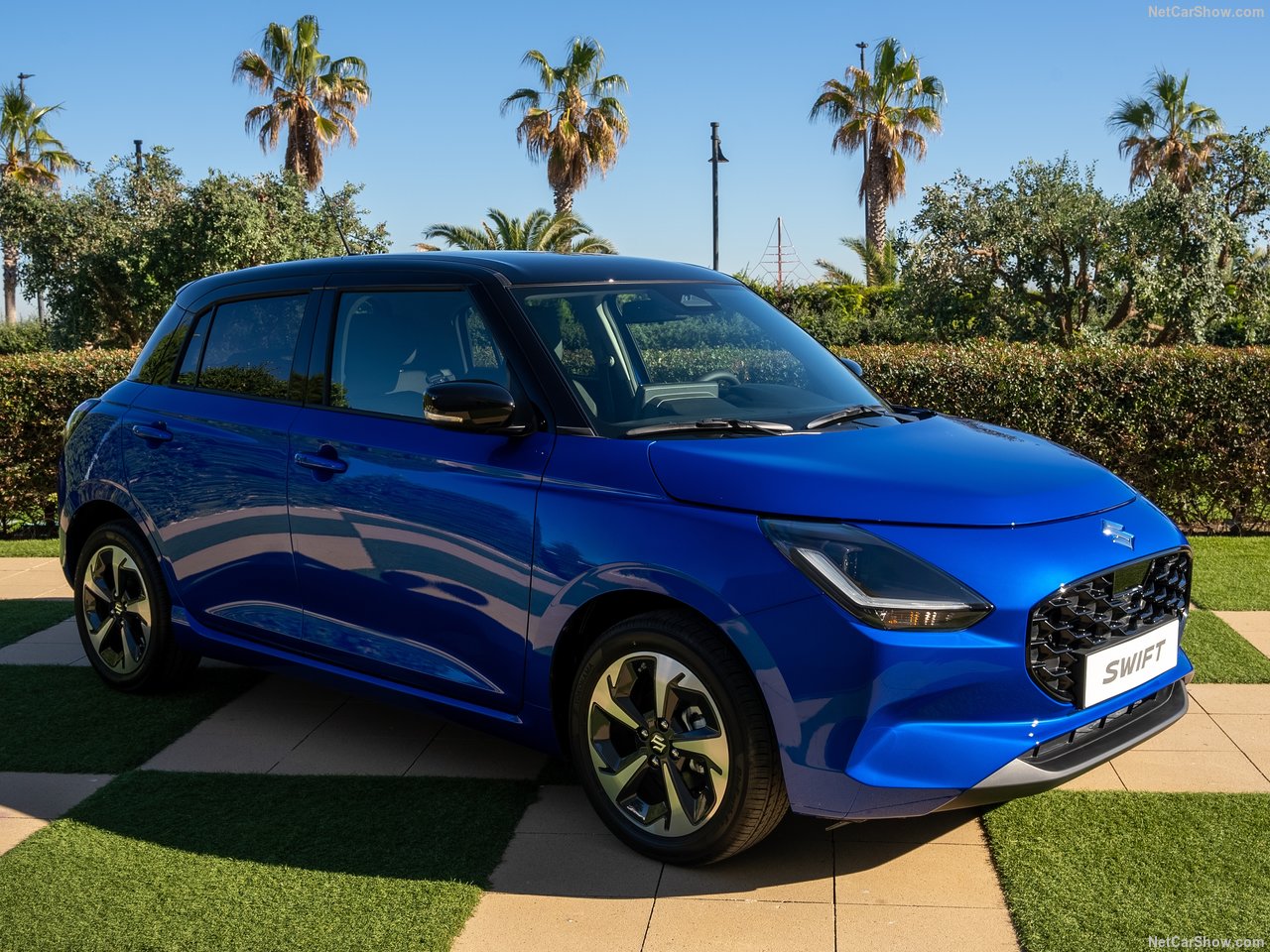
Tunisian Car Market in 2026 is expanding. YTD figures surged by 20.2%, with Hyundai rising into 1st and overtaking Fiat which dropped out of the rankings. Notably, Isuzu reported impressive gains into 2nd.
Economic Environment
Tunisia is targeting inflation stability at 5.3% in 2026, maintaining the level achieved in 2025 after a decline from 7% in 2024. This reflects a broader effort to protect purchasing power and sustain disinflation. The downward trend has been supported by stable global commodity prices, a steady exchange rate, and improved domestic supply. Monetary policy also played a role, with cautious rate cuts helping contain price pressures.
While food inflation remained relatively elevated in 2025, declines in key items like edible oil and stable core inflation supported overall moderation. For 2026, authorities expect easing food price pressures to further support stability. The government plans to strengthen market oversight, combat speculation and monopolies, and improve distribution efficiency through digitisation.
Automotive Industry Trend and Outlook
After reporting significant expansion in 2025, the tunisian vehicle continues to expand. YTD sales up to April 2026 totalled 23,181 units, up by 20.2%.
Brand-wise, Hyundai became the leader, up by 73.7% and 1 spot to a 13.5% share while Isuzu ranked 2nd with 11.5% (+134.7%). Kia secured 3rd spot, up by 32.5%.
Notably, Fiat dropped sharply, losing 12 spots and 67.1% while BYD soared 15 spots into 12th (+944.6%).
EV Market Trend and Outlook
Tunisia’s ev market expands in 2026, with Hyundai and BYD competing to secure leadership of the market. Reaching a 7.9% share, the segment is expected to grow in the future as the government laid out a policy mix of incentives and tax cuts to meet 2035 targets.
Hyundai achieved a 43.7% share into 1st while BYD followed in 2nd with 25%. DongFeng ranked 3rd with just 14.4%.
Medium-Term Market Trend
Starting from 54,426 units in 2014, Tunisia’s vehicle market grew steadily for four years, peaking at 62,363 units in 2017 (+2.2%). The market then declined, with two consecutive years of losses bringing 2019 sales down 15.9% from the peak. Despite global trends, Tunisia’s light vehicle sector showed resilience during COVID-19, with 2020 sales rising 2.6% to 50,796 units.
Momentum strengthened in 2021, as sales jumped to 61,578 units (+21.2%). However, 2022 saw a 9.7% drop to about 55,578 units, driven by inflation, weaker purchasing power, and import and logistics delays. The market stabilized in 2023 at 56,324 units (+1.3%), with confidence gradually improving.
Growth remained modest in 2024, reaching 57,283 units (+1.7%), and is projected to rise to 63,431 units in 2025. Electric vehicle sales, while still limited, increased from 503 units in 2024 to 1,020 in 2025, indicating early-stage adoption.
Tables with sales figures
In the tables below we report sales for Top 10 brands.
This content is for members only.
Login Join Now