
Greek Cars Market in 2025 continues to recover. Full-year sales gained 5.2% with Dacia emerging as new contender while Fiat left the rankings. EVs reported gains of 30.4% with BYD leading the expansion.
Economic Environment
Greece’s economy is expected to grow by 2.1% in 2025, following solid momentum in 2024. Investment remains a key growth driver, particularly through EU-funded projects, while private consumption benefits from rising employment and incomes. Inflation is on a downward trajectory overall, although services-related inflation may persist due to wage pressures. The banking sector has continued to strengthen, with falling non-performing loan ratios, robust capital buffers, and improved profitability.
Risks to growth are balanced, though external uncertainties and regional instability could pose headwinds. On the inflation front, potential wage growth and global energy price volatility could keep pressures elevated. Fiscal policy remains focused on maintaining primary surpluses above 2% of GDP, ensuring debt sustainability while targeting efficient public investment.
Automotive Industry Trend and Outlook
Despite reporting sharp losses during Q1, the Greek auto market was able to recover and terminate the year on an upward note. Overall, car sales in 2025 grew by 4%, reaching 133,480 units.
Brand-wise, Toyota was still the market leader (-4.6%), in front of Peugeot -up 1 spot- in 2nd (+9.2%), Hyundai -up 1 spot- in 3rd (+10.7%), Suzuki -down 2 spots- in 4th (-12.4%) and Opel -up 2 spots- in 5th (+18.3%).
Citroen dropped 2 spots into 6th (-2.4%), in front of BMW in 7th (+10.1%), Volkswagen in 8th (+2.5%) and Dacia -up 7 spots- in 9th (+63.3%). Renault gained 4 spots into 10th and closed the top 10 (+51%).
Notably, Fiat dropped 27.9% and left the rankings.
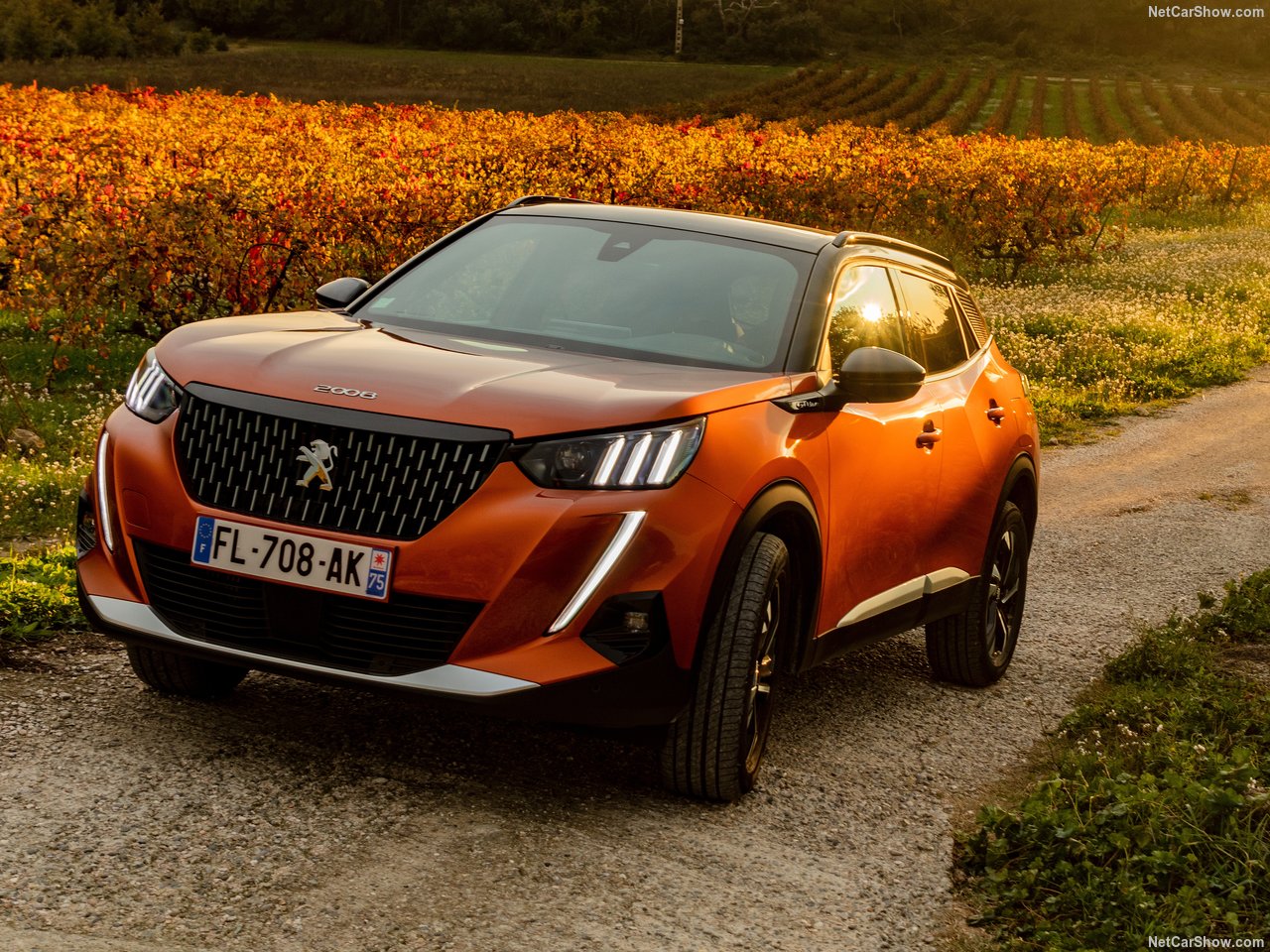
Looking at specific models the Toyota Yaris was still the best seller despite a 11.7% decrease in year-on-year sales, followed by the Peugeot 2008 up 29.2% from the previous year.
EV Market Trend and Outlook
Greece’s EV sector surges ahead in 2025, reaching 6% of the car market. Growing 30.4%, the introduction of a package of incentives and tax deductions, as well as BYD’s introduction of a range of affordable models supported the expansion of the segment.
BYD skyrocketed to market leadership, growing 52.2% and climbing 1 spot. Opel surged 29 spots into 2nd while Tesla dropped into 3rd, losing 46.4%.
Medium-Term Market Trend
Up to 2014, the Greek car market was still reeling from the aftermath of the 2008–2010 financial crisis. In 2014, sales stood at 71,222 units, marking the beginning of a recovery that continued until 2019, when the market peaked at 114,109 units, a 10.3% increase over the previous year.
The onset of the COVID-19 pandemic in 2020 caused a significant downturn, with sales plummeting by 29% to 80,977 units. However, the market rebounded in 2021, growing by 24.5% to surpass the 100,000-unit mark, and continued its upward trajectory in 2022 with a 4.4% increase to 105,280 units.
In 2023, despite global economic uncertainties, the Greek car market experienced robust growth of 27.7%. This momentum slowed in 2024, with a modest 1.9% increase, bringing total sales to 137,051 units.
Electric vehicle adoption in Greece was initially sluggish but began accelerating around 2021, with sales surging by 314.7% that year. The upward trend continued with a 37% increase in 2022, followed by a 156.9% jump in 2023. In 2024, EV sales grew by 44.6%, reaching approximately 6,574 units. Despite this progress, EV adoption in Greece still lags behind other European countries, primarily due to limited charging infrastructure, higher upfront costs, and consumer preferences for internal combustion engine vehicles.
Tables with sales figures
In the tables below we report sales for all Brands, top 10 Manufacturers Group and top 10 Models.