Iraqi Vehicle Market in 2025 is contracting. Full-year figures fell by 0.7%, following H2 trend of contraction. While leader Toyota stumbled and dropped into 2nd, Kia climbed in 1st and Nissan skyrocketed in 3rd.
Economic Environment
In 2025, Iraq’s economy is projected to grow by 3.1%, recovering from a contraction of 2.3% in 2024, though non-oil GDP growth is expected to slow to just 1%. Inflation is forecast to remain modest at 2.9%, while fiscal pressures intensify, with the deficit widening to 7.5% of GDP due to falling oil revenues and continued high spending. Public debt is expected to remain stable in 2025 at 47.2% of GDP but is set to rise sharply to 62.3% in 2026 without significant fiscal reforms. The IMF warns that Iraq’s reliance on oil and a growing public wage bill are increasing economic vulnerabilities, especially amid lower oil prices.
The government is urged to implement immediate expenditure reviews and boost non-oil revenues through tax reforms, including a general sales tax and excise increases. Structural reforms, such as pension overhaul, improved targeting of subsidies, and investment in non-oil infrastructure, are deemed essential to support long-term growth.
Automotive Industry Trend And Outlook
After an impressive growth during H1, Iraq’s vehicle market started to stumble. Falling continuously throughout the months, overall year-on-year change in volume reached -0.7% in 2025.
Brand-wise, the leader was Kia -up 1 spot- which grew 19.1% with a share of 27%. Toyota dropped into 2nd, down 27.4% and 1 spot while Nissan -up 10 spots- in 3rd gained 610.2%.
MG ranked 4th (+7.5%) while Hyundai in 5th gained 37.3%, down 2 spots into 5th.
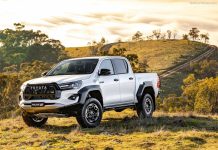
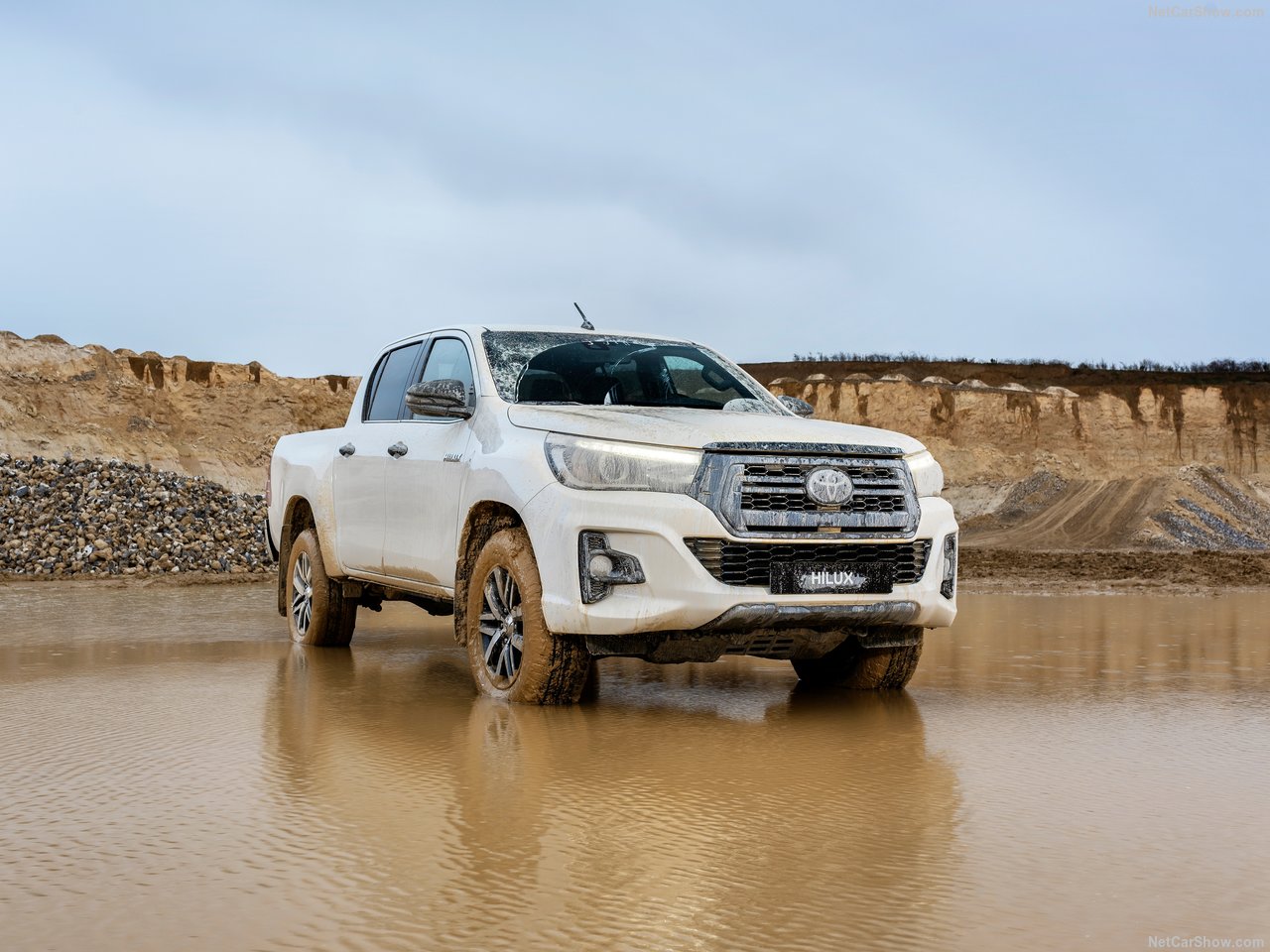
Looking at specific models the Kia Frontier -up 1 spot- became the best seller while gaining 25.6% in year-on-year sales. The Toyota Hilux fell 1 spot and lost 23% in 2nd.
EV Market Trend And Outlook
Iraq’s EV market surged 28.8% in 2025, reaching 2% of total vehicle sales. Sector’s growth continues to stall, though the country’s aim to boost non-oil income could speed up the adoption process in the future.
Toyota dominated the segment, holding 92.8% of EV sales, far ahead of Lexus and Land Rover.
Medium-Term Market Trend
The Iraqi automotive industry experienced a severe downturn between 2014 and 2016, as the internal conflict with ISIS and its economic and social repercussions halted a previously sustained period of growth. Vehicle sales plummeted by 41.3% in 2015 and by a further 46.8% in 2016, bottoming out that year with fewer than 40,000 units sold. However, a long-term recovery trend began in 2017.
While the COVID-19 pandemic disrupted this recovery in 2020, causing a 16.9% drop in sales—the setback proved temporary. The market rebounded strongly in 2021 with a 26.7% increase in sales. Growth continued in 2022, rising by 23.9% to 107,880 units, the highest annual volume in eight years. Sales surged further by 22.1% in 2023 and 27.7% in 2024, reaching 158,076 units.
Electric vehicles made their first notable appearance in 2024, accounting for 2.5% of total vehicle sales. However, their limited penetration highlights ongoing structural challenges, including Iraq’s continued dependence on oil revenues and underdeveloped infrastructure for alternative technologies.
Tables with sales figures
In the tables below we report sales for top 10 models.