Syria Vehicle Market in 2025 is struggling. Hyundai was the only brand to report significant sales in 2025. Still, the country remains far below figures at the beginning of the decade and struggles to recover.
Economic Environment
In 2025, Syria’s GDP is projected to grow modestly by 1%, following a 1.5% contraction in 2024, according to the World Bank. The slight rebound reflects tentative stabilization but remains fragile amid continued economic and structural challenges. While the easing of sanctions offers some upside potential, the recovery is constrained by limited access to international banking, frozen assets, and ongoing energy shortages. These obstacles continue to impede humanitarian aid, foreign investment, and trade flows.
The World Bank notes that, despite these constraints, incremental gains in economic activity may occur if access to critical resources improves. However, institutional weaknesses, a fragile security environment, and infrastructure damage still weigh heavily on the country’s outlook. Inflationary pressures and high unemployment remain persistent, further undermining household resilience. International assistance flows are slow, and the lack of liquidity hampers domestic recovery initiatives. Overall, Syria’s 2025 outlook is cautiously positive but remains highly vulnerable to internal and external shocks.
Automotive Industry Trend and Outlook
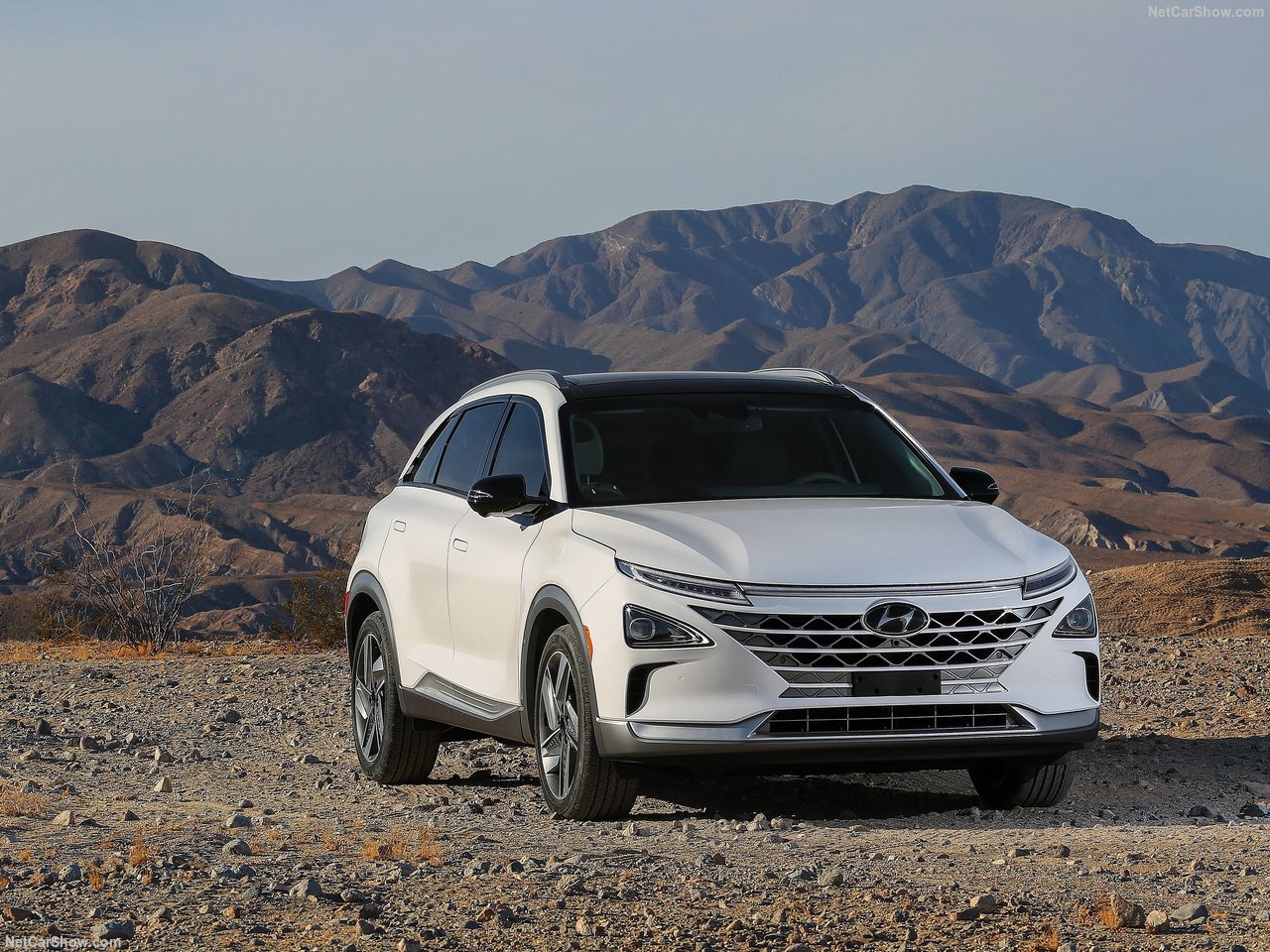
The only brands to be sold in the country in 2025 was Hyundai, gaining 824.2%. The high figure however is to be attributed to a lackluster perfrormance in the prior year.
Looking at brands, the Hyundai HR Truck ranked 1st, followed by the Hyundai H-1 and the Hyundai H-1 100 Bus.
Medium-Term Market Trend
Not long ago Syria was the biggest car market in the Levant region. Only 10 years ago, with a volume of 87,500 annual sales, the Syrian new market represented a relevant reality within the region. Unfortunately, in this decade the country was destroyed by the civil war and terrorism and the entire economic structure collapsed, including the automotive industry.
Between 2010 and 2013 the market has lost more than half its sales a single year, with 2014 volumes at 23,955 units. The fall continued and the negative peak was hit in 2017 when the market lost 90% from 2010 at 7,978 units. In 2018 sales marginally recovered at near 10,000 units, but the data on 2019 was down again. In fact, total sales in 2019 were 8,347, down 15.8%.
Because of the COVID-19 pandemic, social and political instabilities in the country sales significantly decreased in 2020. In fact, sales have been 2,941, reporting a fall of 64.8% compared to 2019.
The downfall continued in 2021 with new light vehicle sales falling another 33.4% to 1,958.