

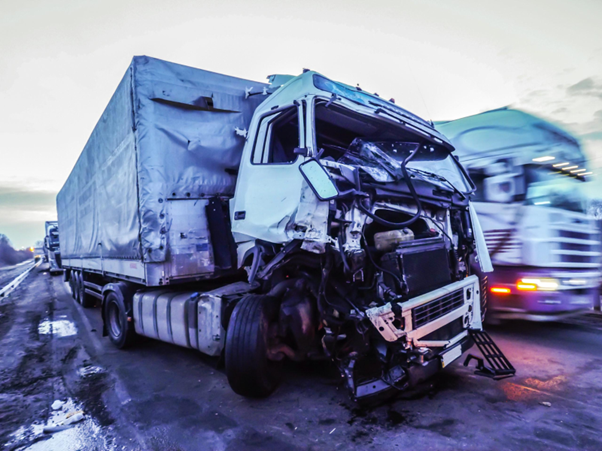
Truck accidents are among the most dangerous categories of automobile accidents. Weighing up to 36 tons and up to 23 meters in length, commercial trucks can cause catastrophic damage, often resulting in serious injuries and even death.
Victims of such accidents face physical and emotional repercussions and a complex legal process to obtain fair compensation. It is critical to have professional support in these situations. Experienced truck accident attorneys in Phoenix regularly encounter cases where insurance companies offer inadequate compensation that falls far short of the victims’ actual losses.
Understanding the different types of compensation you are entitled to after a truck accident is the first step to protecting your interests and securing the resources you need to recover.
Types of Compensation for Truck Accidents
It is crucial to understand that compensation in truck accident cases covers a wide range of damages. Let’s review the major categories.
Economic losses
This type of compensation covers material losses that can be accurately calculated. Familiarize yourself with the key elements of economic loss:
- Medical expenses (past and future).
- Loss of earnings and earning capacity.
- Rehabilitation costs.
- The cost of repairing or replacing a vehicle.
- Expenses for home care services.
Economic losses are fully recoverable and can reach significant amounts, especially in cases that require long-term treatment or result in permanent disability. Inpatient hospital bills after a serious truck accident can accumulate quickly, and this is just the beginning of potential expenses.
Non-economic losses
This category covers the intangible consequences of the accident, such as:
- Physical pain and suffering.
- Emotional stress and psychological trauma.
- Deterioration of quality of life.
- Loss of the ability to fully enjoy life.
- Disfigurement and cosmetic defects.
Determining the value of non-economic damages requires careful evaluation and is often a contention between victims’ attorneys and insurance companies.
Lawyers at https://www.kermanillp.com/ provide expert advice on the valuation of such losses, helping victims obtain fair compensation.
Penalties
Punitive damages may be awarded in exceptional cases where gross negligence, intentional acts, or serious safety violations caused the accident. These go beyond compensation payments and serve two purposes:
- Punishing the guilty party for particularly egregious behavior.
- Deterring similar behavior in the future.
Punitive damages can far exceed compensation payments, especially in cases where the transportation company has demonstrated a systematic disregard for safety standards.
Specifics of Compensation in Truck Accident Cases
Truck accident cases have several unique aspects that distinguish them from ordinary automobile accidents.
Multiple liability
Potentially responsible parties in a truck accident can include the truck driver, the transportation company, the truck owner, the vehicle manufacturer, the company responsible for maintenance, and even the shipper. A professional investigation is critical to identifying all responsible parties.
Higher insurance limits
Federal regulations require commercial carriers to maintain significantly higher insurance coverage than personal automobiles. This can mean access to more substantial compensation for injured victims, but it requires the appropriate legal expertise to overcome complex insurance barriers.
Documentary evidence
Transportation companies must maintain detailed documentation, including driving logs, maintenance records, and data from onboard monitoring systems. Timely access to these documents is often a critical factor in establishing liability.
Limitation periods
Remember the statute of limitations — the statutory time limit for filing a lawsuit. For most car accident cases, the statute of limitations ranges from one to three years, depending on the jurisdiction and the case’s specific circumstances.
Delay can result in losing your right to compensation, so contacting a professional immediately is critical to protecting your interests.
Conclusion
Obtaining full and fair compensation after a truck accident requires a thorough understanding of legal nuances, insurance practices, and damage assessment techniques. Every aspect of your case, from gathering documentary evidence to negotiating with insurance companies, can significantly impact the final compensation amount.
A skilled truck accident attorney will be your trusted guide through this complex legal process, allowing you to focus on recovering your health and living your life to the fullest.