Yemeni Vehicle Market in 2025 is stagnating. YTD figures grew by 0.6%, with Toyota securing the top spot (+25.8%). Lexus and Suzuki followed in 2nd, behind by a large margin despite the impressive gains.
Economic Environment
The Yemeni market in Q3 returned on the path of stagnation that defined early months of 2025. YTD sales up to September grew only by 0.6%, highlighting the country’s economic crisis.
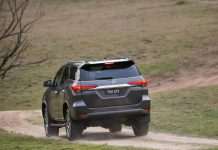
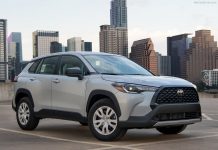
Brand-wise, the leader Toyota reported 25.8% growth in sales while holding 90.8% market share, followed by Lexus with a 4% market share, up 185.1%. Suzuki climbed 1 spot and grew 108.2%.
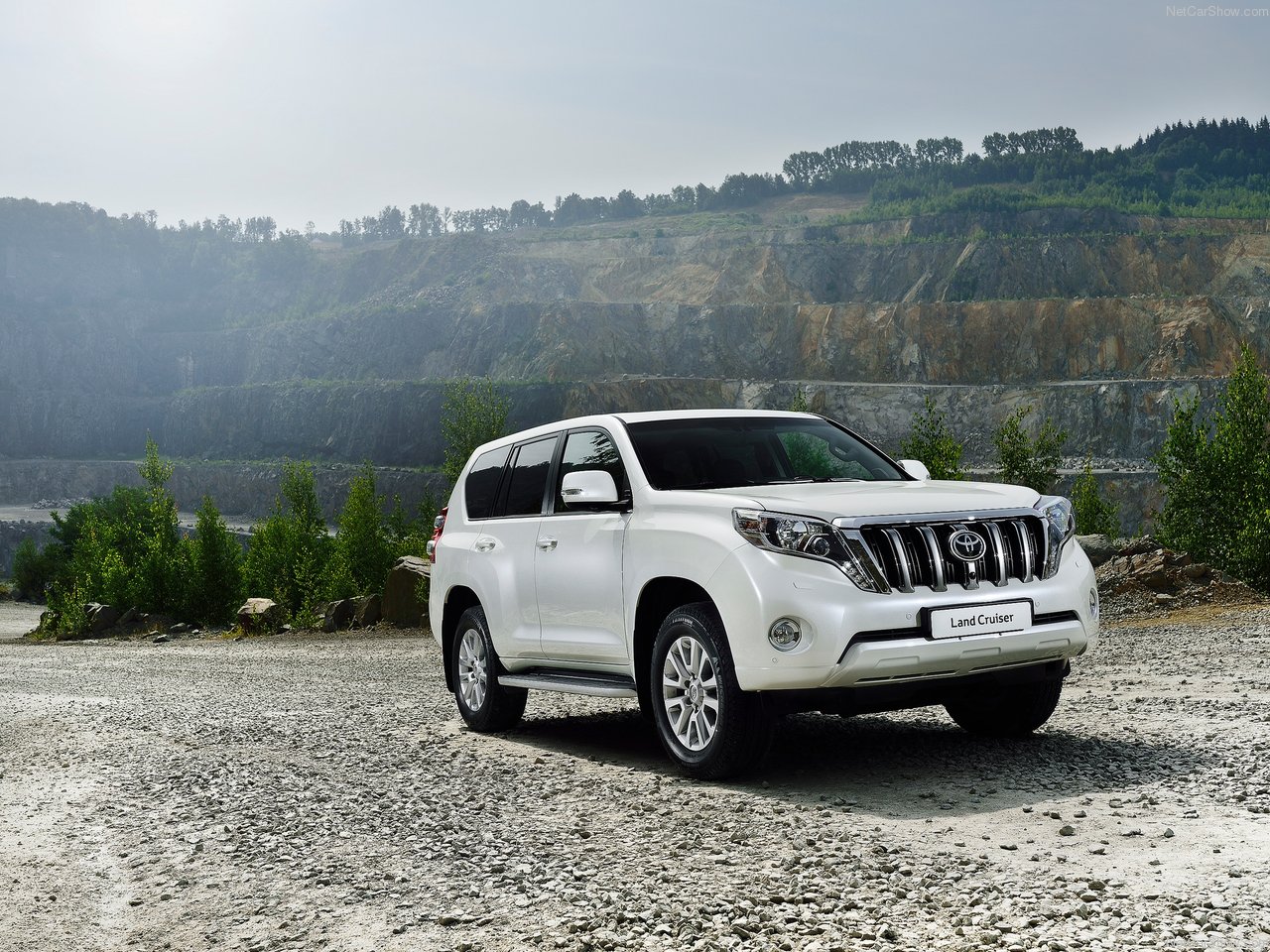
For what concerns the best selling models, the Toyota Hilux remained on top falling 9% while the Toyota Land Cruiser gained 108.7% and ranked 2nd.
Medium-Term Market Trend
Yemen’s light vehicle market has experienced dramatic shifts over the past decade. After recording 6,117 vehicle sales in 2014, the industry saw a sharp contraction, falling to just 2,992 units by 2016. A modest recovery began in 2017, particularly in the second half of the year, with total sales reaching 3,938 units. The rebound continued in 2018, with sales rising by 37.8% to 5,231 units, marking the second consecutive year of growth.
In 2019, the market accelerated significantly, closing the year with 8,483 registrations, an impressive 62.2% increase. However, the COVID-19 pandemic triggered a substantial decline in 2020, with sales falling 38.9% to 5,182 units. Importantly, this drop was not the result of structural weaknesses within the market. In fact, 2021 saw a strong recovery, with sales surging by 61.2% to 8,507 units.
The market stabilized in 2022, recording a slight decline of 2.3% to 8,274 vehicle registrations. Growth resumed in 2023, with sales jumping 45.9% to reach 12,085 units, the highest annual total to date. In 2024, the market remained strong despite a 7% year-over-year decline, ending the year with 10,892 units sold, the second-highest figure on record.