Canadian Vehicle Market in 2025 stays on growth path. Full-year sales gained 2.8%, with Hyundai growing the most among leading brands. EVs struggles as leader Tesla continues to lose ground.
Economic Environment
In 2025, Canada’s economy slowed markedly as higher US tariffs triggered a contraction in the second quarter, with real GDP weakening amid falling exports, subdued business investment, and a softer labour market. Growth is expected to remain weak through late 2025, reflecting lingering trade uncertainty, subdued confidence, and only modest household consumption gains. From 2026 onward, economic activity is projected to recover gradually, with GDP growth strengthening to 1.3% in 2026 and 1.7% in 2027 as trade rebounds and uncertainty fades. Household consumption is expected to firm as incomes improve, while business investment picks up alongside export recovery and improved USMCA compliance. Inflation is projected to remain close to the 2% target, with a temporary uptick in 2026 as the effect of fuel charge removal fades, while core inflation continues to moderate.
With easing inflationary pressures, the Bank of Canada has resumed rate cuts, though policy rates are expected to remain stable at current levels going forward. Fiscal policy has turned more accommodative, reflecting targeted tariff-related support, tax reductions, and higher defence and infrastructure spending. As a result, fiscal deficits are expected to persist in the near term, before policy becomes broadly neutral by 2027. The labour market is projected to improve gradually over 2026–27 following tariff-related weakness.
Automotive Industry Trend and Outlook
Despite slower macroeconomic forecasts, Canada’s vehicle market continues to expand. After rebounding from a temporary dip in February, sales increased throughout Q2 and Q3 and then stabilized throughout Q4. Overall, in 2025, 1,9 million vehicles were sold, up by 2.8%.
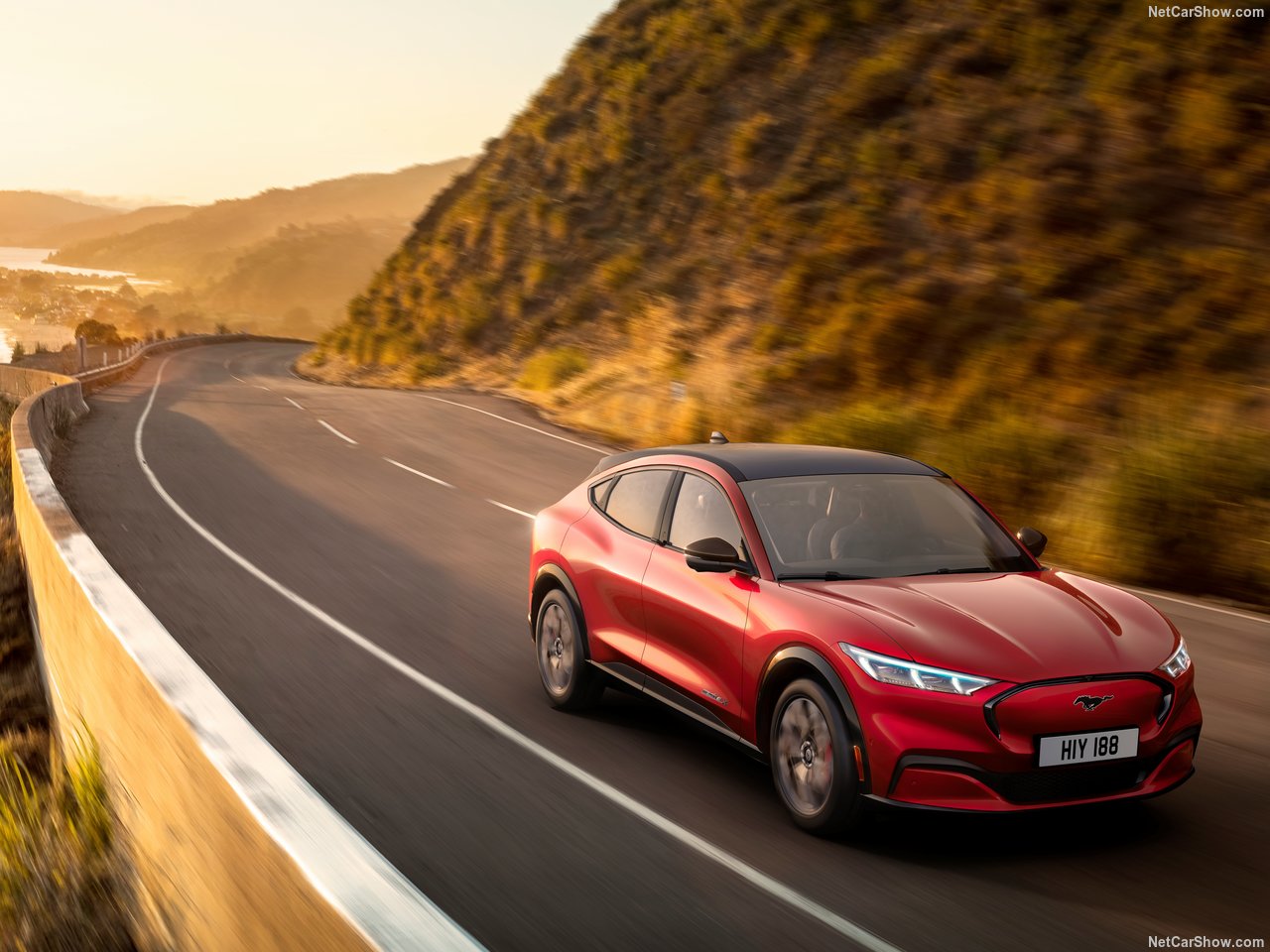
Brand-wise, Ford secured leadership with a 14.2% share (+8%). Toyota ranked into 2nd with a share of 11.4% (+3.4%). Chevrolet closed the podium with the largest gains (-1.4%).
Hyundai ranked 4th (+11%) followed by Honda in 5th (+3.8%), Nissan in 6th (-7.2%), GMC in 7th (+0.1%) and Kia in 8th (+9.2%). Volkswagen ranked 9th (+2.8%) while Mazda closed the Top 10 (+13.1%).
Looking at specific models, reported in the dedicated article, the Ford F-Series was still the best seller (+4.7%), followed by the Toyota RAV4 (-2.6%).
EV Market Trend and Outlook
Canada’s EV sector struggles in 2025, losing 25.5% in year-on-year volume. With a 4% share of the total market, several factors could be attributed to weak sales, including tariff uncertainty and backlash against Tesla. Moreover, the recent pause on certain EV progrems in Canada further suffocated the sector’s recovery.
Tesla remained the EV leader, despite losing 35.5%. Ford grew 36.2% and 3 spots into 2nd while Cadillac rose into 3rd, growing 84% and 6 spots.
Medium-Term Market Trend
Canada’s light vehicle market saw strong growth at the start of the 2014–2024 decade, with four consecutive years of expansion, surpassing 2 million sales in 2017 with a 10.3% increase. However, this peak was short-lived. The market declined by 3.73% in 2019, beginning a downturn that continued until 2022, resulting in a total 24% loss from 2018 levels.
Recovery began in 2023, with growth in all 12 months, marking an 11% increase. The positive trend continued in 2024, with an 8.8% rise in sales, though still below the 2-million threshold.
As a major vehicle producer, Canada assembles 1.4 million cars annually, supported by nearly 700 parts suppliers and global supply chains. However, the sector remains highly vulnerable to disruptions, including COVID-19-related factory shutdowns, border closures, and semiconductor shortages.
Canada’s EV sector has grown steadily over the past decade, driven by its rich critical mineral reserves and expanding battery manufacturing industry. Growth remains positive in 2024 and is expected to continue, though U.S. dominance in Canada’s EV market could be challenged by Trump’s proposed tariffs.
Tables with sales figures
In the tables below we report sales for all Brands and top 10 Groups.
This content is for members only.
Login Join Now