Hungarian Car Market in 2025 is stagnating. Full-year sales dropped by 4%, with leader Suzuki losing 9.2%. Ford was the standout, up 23.6% into 4th. In line with broader automotive outlook, EV car sales fell 2.1%, with Tesla dropping 15.8%.
Economic Environment
Hungary’s economic outlook remains weak in the near term, with GDP growth projected at just 0.3% in 2025 following subdued activity in 2024 and early 2025, before strengthening to 1.9% in 2026 and 2.3% in 2027. Growth is expected to be driven mainly by private consumption, supported by strong real wage growth and planned personal income tax cuts in 2026, while investment, which has fallen by around 18–20% since early 2023, is forecast to stabilise in 2026 and rebound gradually in 2027. Inflation has eased from 5.5% in January 2025 to 4.3% in October, but core inflation remains elevated at around 5.4%, prompting the central bank to keep the policy rate at 6.5%, with only gradual cuts expected to bring it to about 5.5% by end-2027.
Unemployment has risen moderately to 4.5%, while labour market tightness has eased as job vacancies declined by around 20% since early 2025. Fiscal policy, after significant consolidation since 2022, is expected to become more accommodative from 2026, with the fiscal deficit stabilising at about 5.0% of GDP in 2025–26 before narrowing to 4.5% in 2027. Exports are projected to recover gradually but remain constrained by weak euro area demand, particularly from Germany, which absorbs a large share of Hungary’s exports. Medium-term growth prospects depend on a recovery in external demand, improved capacity utilisation, and the effective use of new manufacturing capacity. The OECD stresses that structural reforms—especially to pensions, energy support schemes, and the business environment—are essential to improve fiscal sustainability, productivity, and long-term growth.
Automotive Industry Trend and Outlook
After reporting growth in the early months, the Hungarian car market started to contract. Continuing on an 11 month losing streak, the year closed at -4% to 116,629 car sold.
Brand-wise, Suzuki was the leader with a 12.2% share, despite losing 9.2%. Toyota followed in 2nd (-5.2%) while Skoda ranked 3rd (+0.6%).
Volkswagen gained 1.8% into 4th while Ford surged 23.6% into 5th.
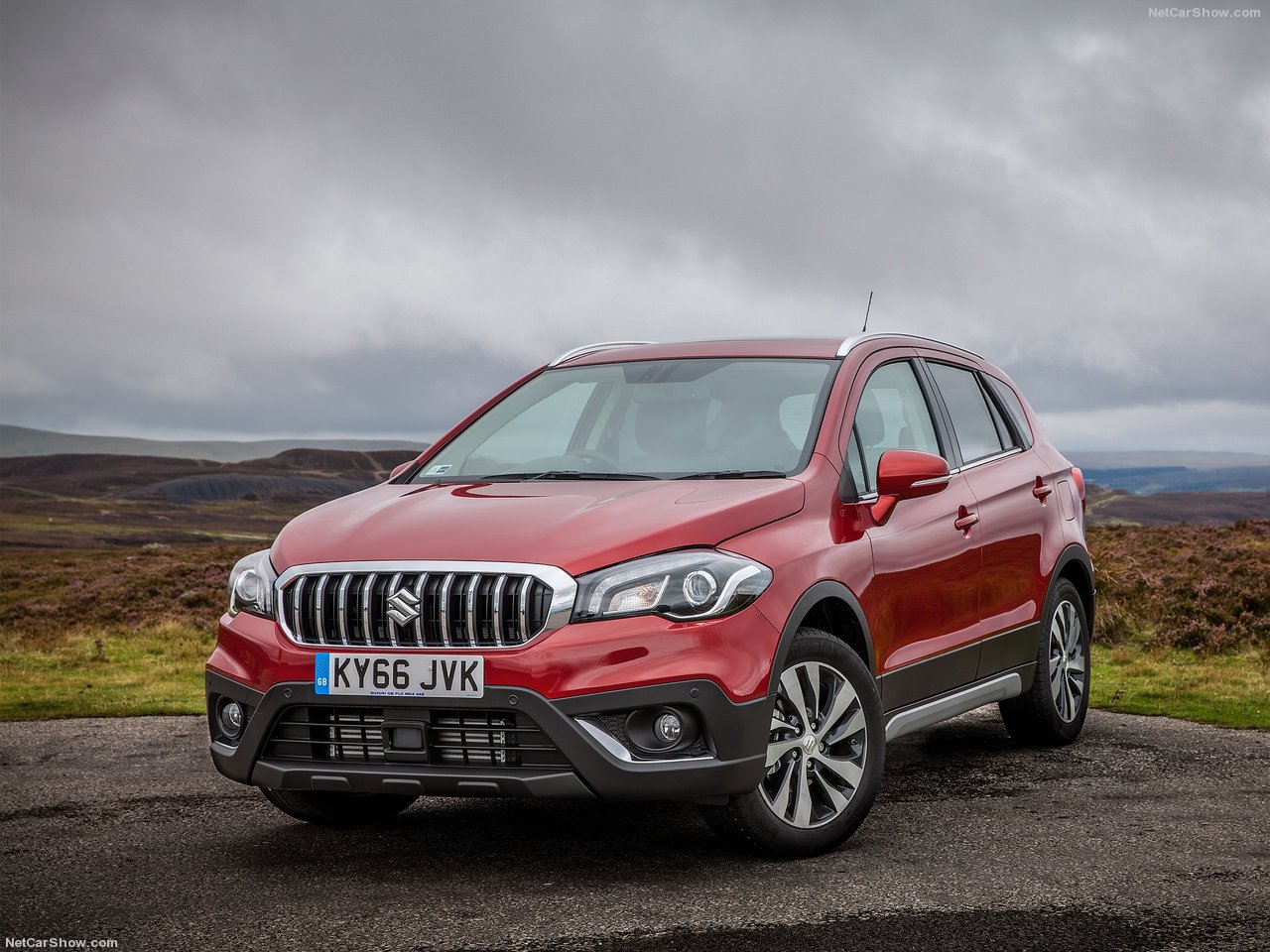
Looking at models, the Suzuki SX4 S-Cross rose 1 spot into leadership, despite losing 1.6%. The Skoda Octavia -up 1 spot- ranked 2nd (-5.9%) while the Suzuki Vitara -down 2 spots- fell 18.8% into 3rd.
Ev Market Trend and Outlook
Hungary’s EV Sector struggles in 2025, losing 2.1% to a 10% share of the total.
Suzuki was still sector’s leader, despite losing 1.6%; followed in 2nd by Tesla, down 15.8% and in 3rd by Kia, which surged 2086.5%. and 8 spots, emerging as possible future head brand.
Medium-Term Market Trend
The Hungarian vehicle market began the 2014–2024 decade with strong momentum, recording five consecutive years of growth. Starting at 67,476 units in 2014, sales expanded by 14.4% in 2015 and 25.1% in 2016, surpassing the 100,000-unit threshold with 116,221 registrations.
The market maintained its upward trajectory and reached a decade high of 157,802 units in 2019. However, the COVID-19 pandemic triggered a sharp contraction: sales dropped 18.7% in 2020 and continued to decline steadily in the following years, bottoming out at 107,802 units in 2023, though still above the 100,000 mark. In 2024, the market rebounded, supported by easing supply-chain disruptions and stronger consumer demand, climbing 11.4% to 120,102 units.
Electric vehicles, by contrast, showed a slower start. Penetration remained marginal until 2019, when sales surged 83.4% to 9,378 units, marking the first major breakthrough. The pandemic interrupted this trajectory in 2020, with registrations falling 39.2%, but growth resumed in subsequent years.
By 2024, EV sales reached a record 11,775 units, up 30.1% year-on-year. This expansion was driven by expanding model availability, government incentives for green mobility, and growing consumer interest in lower running costs amid volatile fuel prices. Although EV volumes remain modest compared to the overall market, their upward trend signals a gradual shift in Hungary’s automotive landscape.
Tables with sales figures
In the tables below we report sales for top 10 Brands and top 10 Models.