Kuwaiti Vehicles Market in 2025 reports steady growth. Full-year sales gained 10.4%, with Toyota staying on top while Mitsubishi and Jetour reported the largest gains, outpacing other top 10 brands.
Economic Environment
Automotive Industry Trend and Outlook
After an impressive surge in the first months of 2025, Kuwait’s vehicle market is stabilizing. Overall, vehicle sales in 2025 surged 10.4% mantaining a constant trend of increase throughout the months.
Brand-wise, Toyota was still the leader, reporting a 12.9% gain and a 28.1% share. Nissan followed in 2nd, up by 23.2%. Mitsubishi rose 2 spots to secure 3rd with a 38.8% growth year-on-year volume.
Outside of the Top 5, Jetour climbed 4 spots in 7th and reported the most impressive growth, up 60.7%.
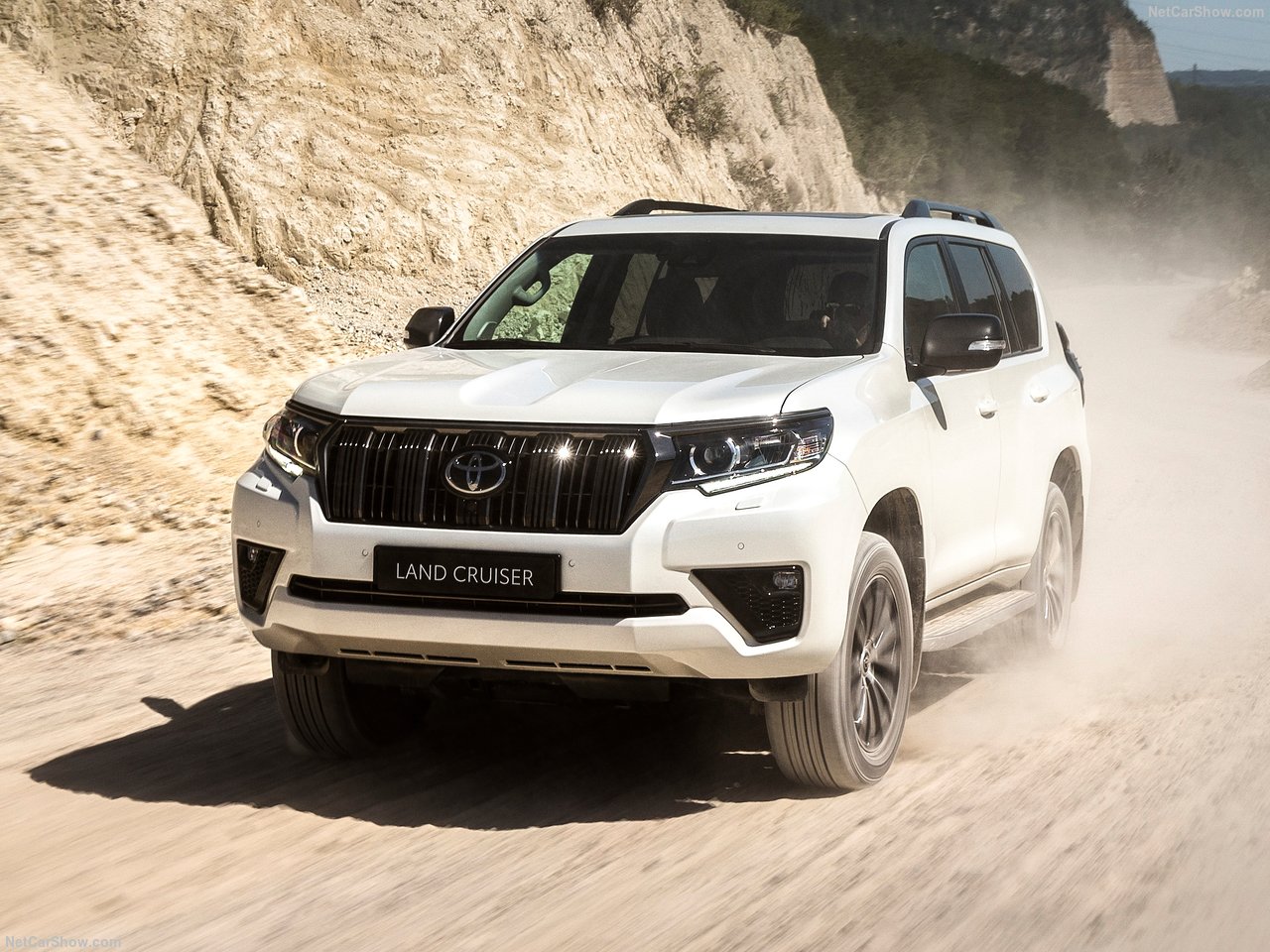
Looking at specific models the Toyota Land Cruiser was still the best seller, gaining 38.8% in year-on-year volume, followed by the Toyota Prado, up 116.1% and 2 spots.
EV Market Trend and Outlook
Kuwait’s EV sector is exploding, growing 59.8% in 2025. EV adoption is rising thanks to increased policy support as part of Vision 40 electrification targest. Still, the share remains limited, showing that there are still structural hurdles.
Hyundai led the market, up 5 spots and 454.9%. Toyota fell 1 spot into 2nd losing 39.7% while BYD closed the podium, up 5 spots and 88.5%.
Medium-Term Market Trend
Kuwait’s domestic car market experienced a golden era over a decade ago, driven by robust economic growth, high oil prices, and substantial worker immigration. These factors propelled the market to its all-time high in 2014, with 159,828 units sold. However, the subsequent decline in international oil prices led to economic challenges, prompting the government to reduce public spending and increase taxes. Consequently, the car market faced a downturn, declining for three consecutive years and reaching 104,230 units in 2017. A modest recovery in 2018 and 2019 was abruptly halted by the COVID-19 pandemic, which caused sales to plummet to a 15-year low of 87,183 units in 2020.
Since early 2021, the market has been on a recovery path, supported by economic stabilization, increased consumer confidence, and the introduction of competitive financing options. The Kuwaiti vehicle market grew by 22.1% in 2022 and 12.8% in 2023, culminating in 140,415 units sold in 2024, approaching the levels seen in 2014.
Despite this recovery, electric vehicle adoption in Kuwait remains minimal. As of the end of 2024, only 781 EVs were registered, accounting for just 0.03% of the country’s total vehicle population of 2.5 million. This low adoption rate is attributed to several factors, including the lack of fast-charging infrastructure, the higher upfront cost of EVS and the absence of government incentives, as well as concerns about battery performance due to Kuwait’s extreme heat.
Tables with sales figures
In the tables below we report sales for the top 10 models.