Nigerian Vehicle Market in 2025 shows impressive growth. Full-year figures gained 47.1% with Innoson rising 369.8% into 1st, overtaking Toyota which fell in 2nd. Notably, GAC skyrocketed in 3rd while Hyundai left the Top 5.
Economic Environment
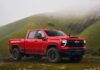
Brand-wise, Innoson became new leader with a share of 37.3% (+369.8%), followed in 2nd by Innoson down 5.4%. GAC climbed 22 spots in 3rd, growing 5150%.
Notably, Hyundai abandoned the rankings, down 2 spots into 6th.
EV Market Trend and Outlook
Nigeria’s EV market is undergoing a structural shift. While still a limited share of the tota, localized produciton and policy support resulted in the sector growing 11.4% in 2025.
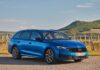
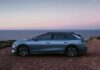
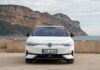
The EV leader was Volkswagen holding more than half of the segment. Kia followed in 2nd while GAC ranked 3rd.
Medium-Term Market Trend
The Nigerian vehicle market began in 2014 with 52,789 units, coinciding with the launch of the Nigerian Automotive Industry Development Plan, a policy modeled after Brazil’s, compelling automakers to establish local production in order to operate in the country. Despite issuing nearly 30 licenses over the next two years, the market collapsed by 68.5%, dropping to just 10,446 units in 2017 due to the oil price crash and weakening domestic demand.
A recovery began in 2018, with sales rising 68.7% to 17,625 units, prompting some manufacturers to open small local assembly plants. However, this was short-lived—sales declined by 20.5% in 2019, reaching the second-lowest level in a decade. The pandemic in 2020 dealt another blow, as lockdowns and a renewed oil slump caused a 34.7% drop in sales.
Since 2021, the market has shown steady, albeit modest, growth: up 25.9% in 2021, and rising for three consecutive years, culminating in 13,320 units sold in 2023 (+23.5%), the best performance in four years. The positive trend continued into 2024, with a 15.6% increase, though overall volumes remain low for Africa’s most populous nation.